
20:50 (1987)
Richard Wilson (b.1953)
20:50 (1987)
Used sump oil, steel
Dimensions variable
Saatchi Gallery (& various)
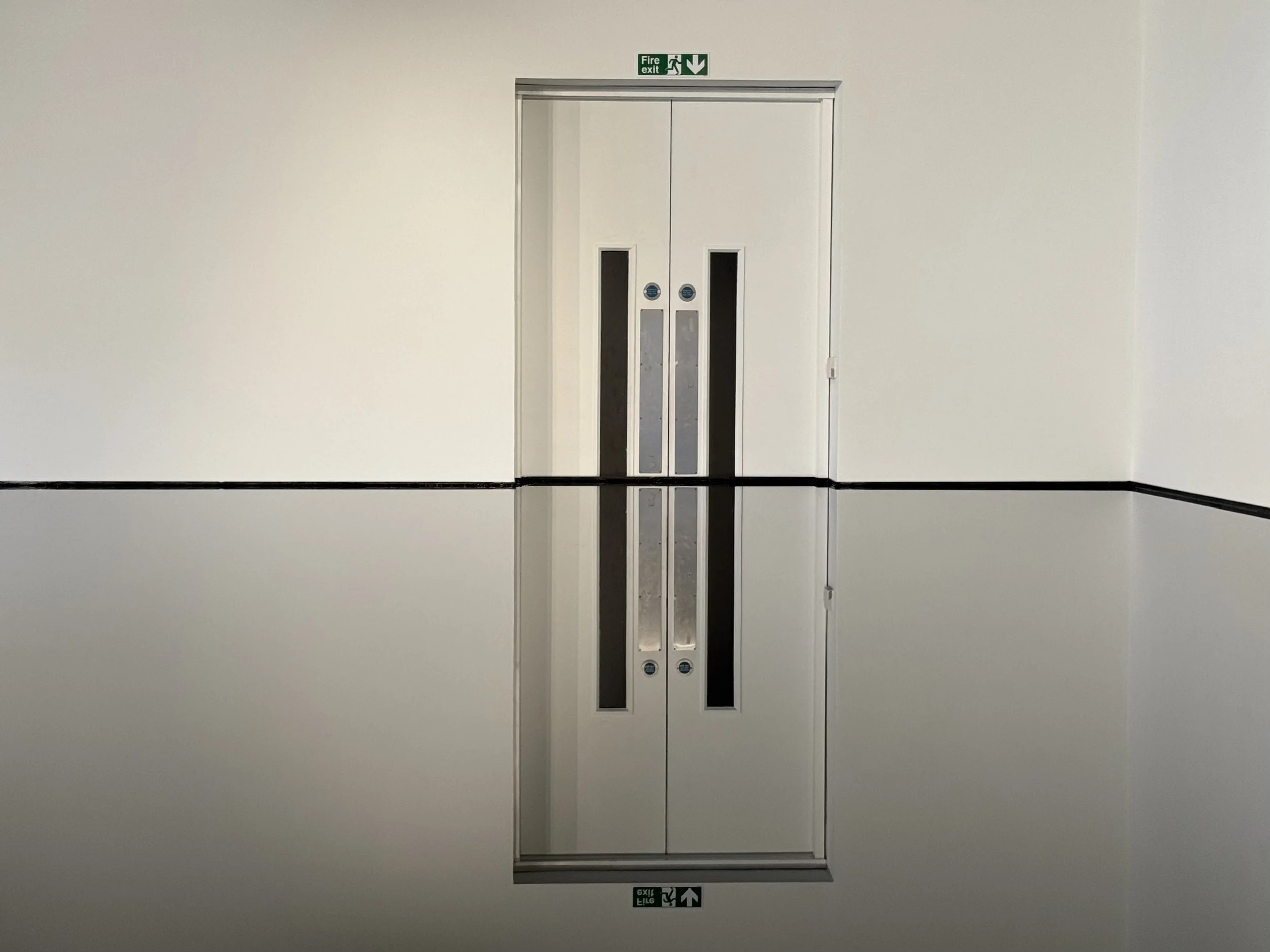
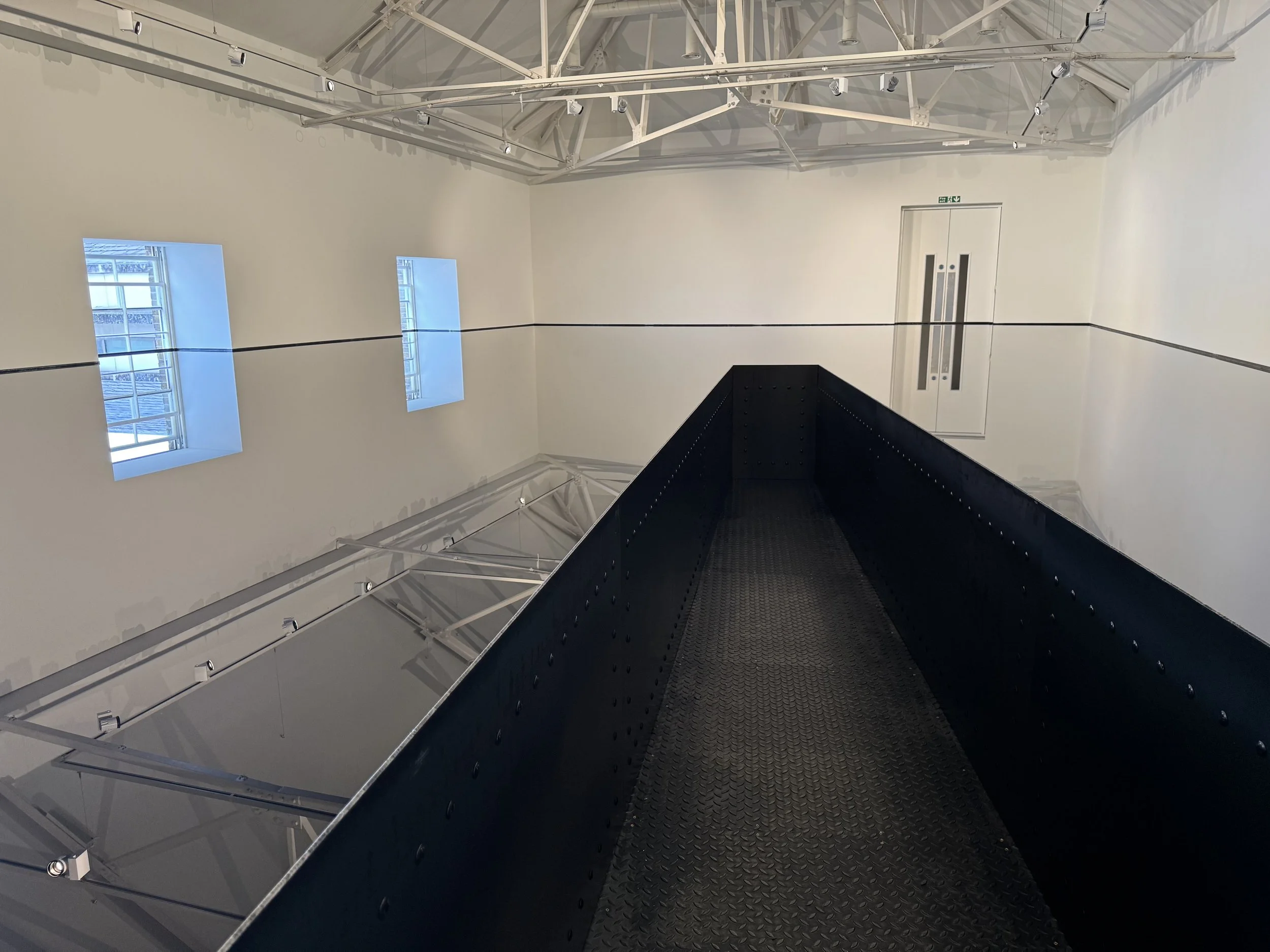
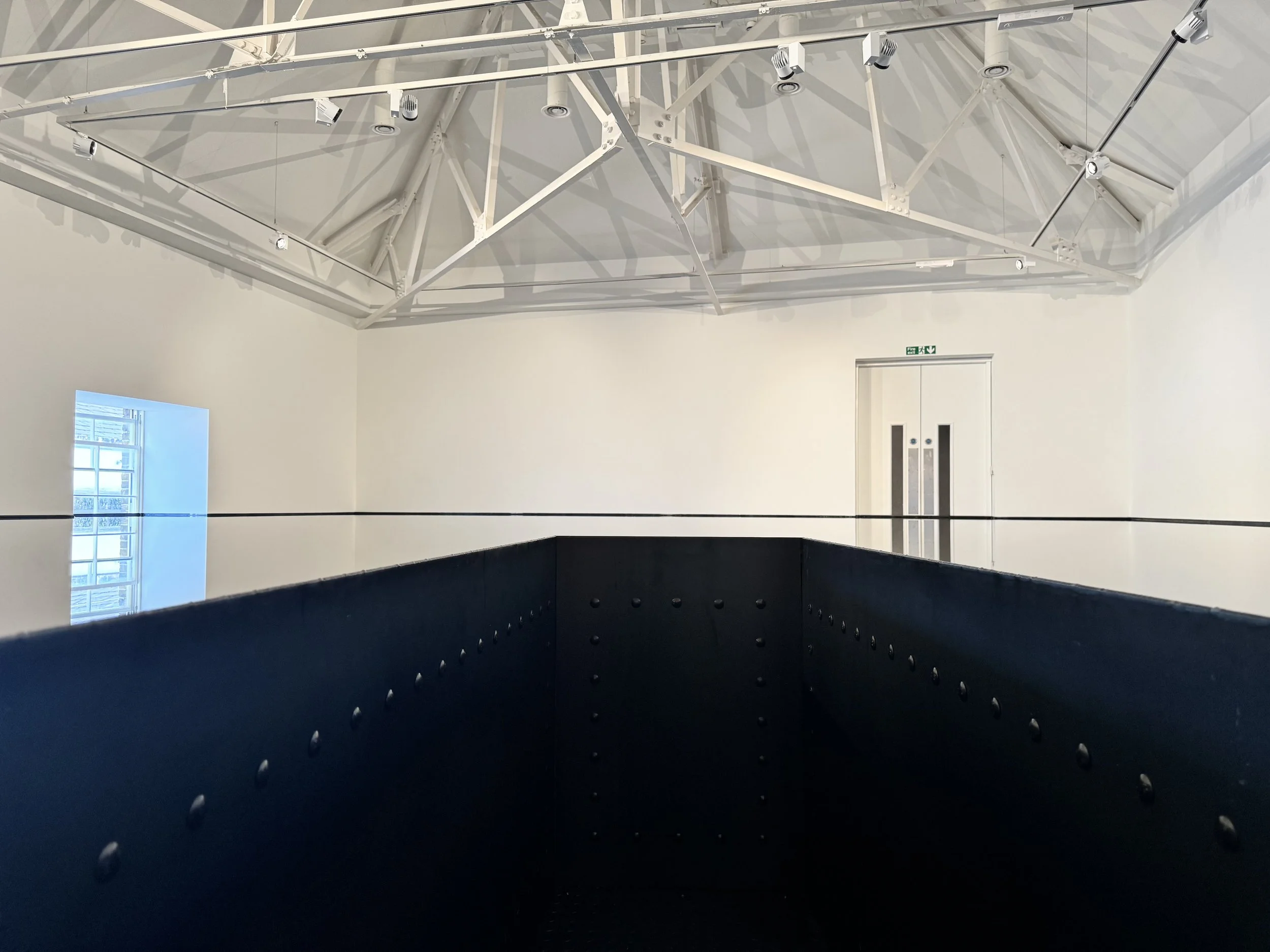
For those who have never directly experienced Richard Wilson’s 20:50 please note that the photos are indeed just as confounding as the first time you encounter it in person, except without the smell. That’s because the mirrored plane that appears to slice across the image is oil.
I’ll get into the technical specifics in a moment because 20:50 is more appropriately described as a concept than a physical item of art. It has been staged over a dozen times around the world but every time it gets rolled out it gets re-created, not re-shown. Using a strictly pedantic definition, every iteration is unique. Arguably, however, every iteration is also inherently and unmistakably the same thing. Wilson frequently disputes the easy categorisation (site-specific) and someone with more taxonometric rigour could probably write an entire PhD on how this artwork should or could be classified but there’s really only one word you need: Iconic.
Ok… so what is it?
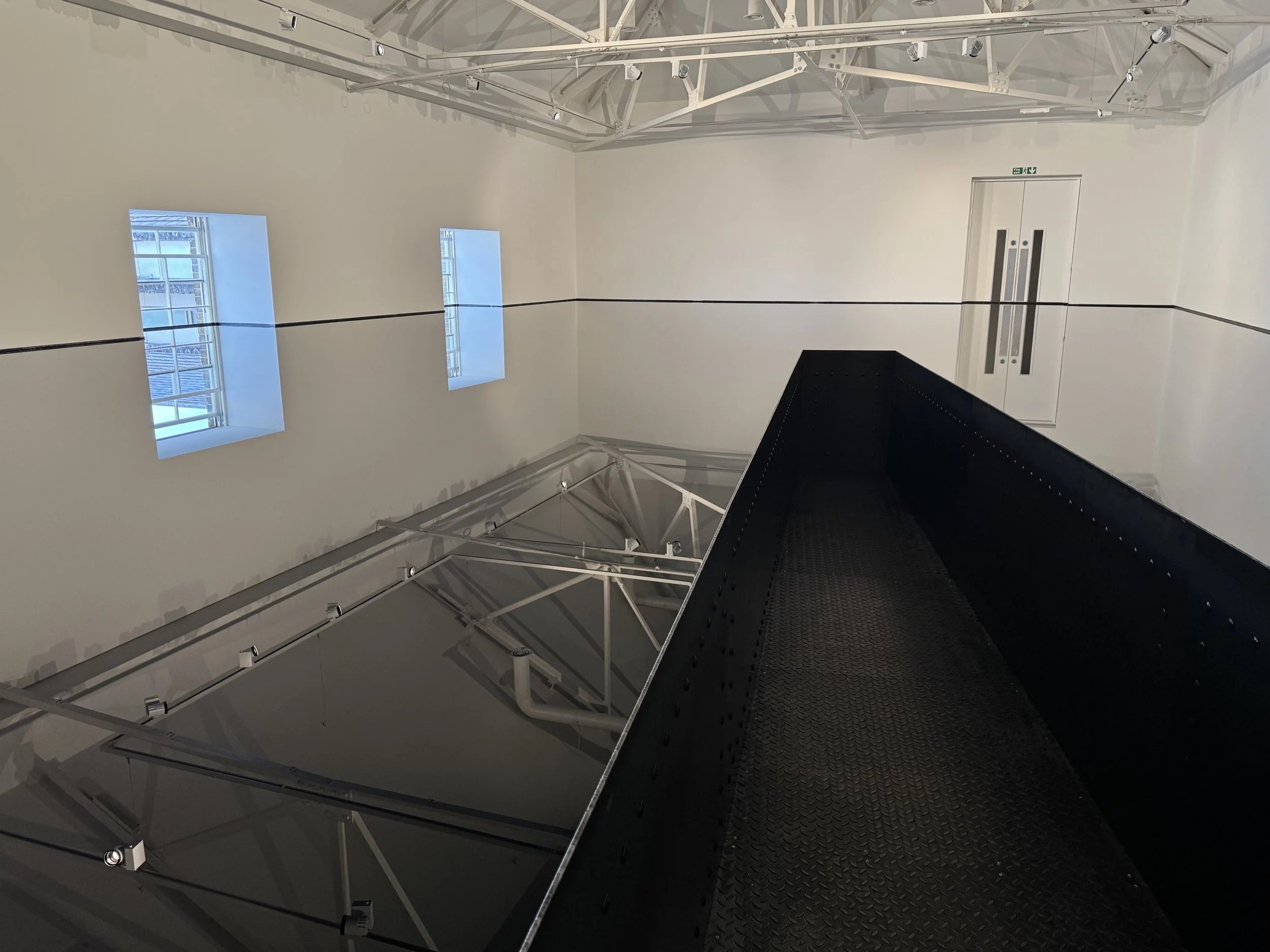
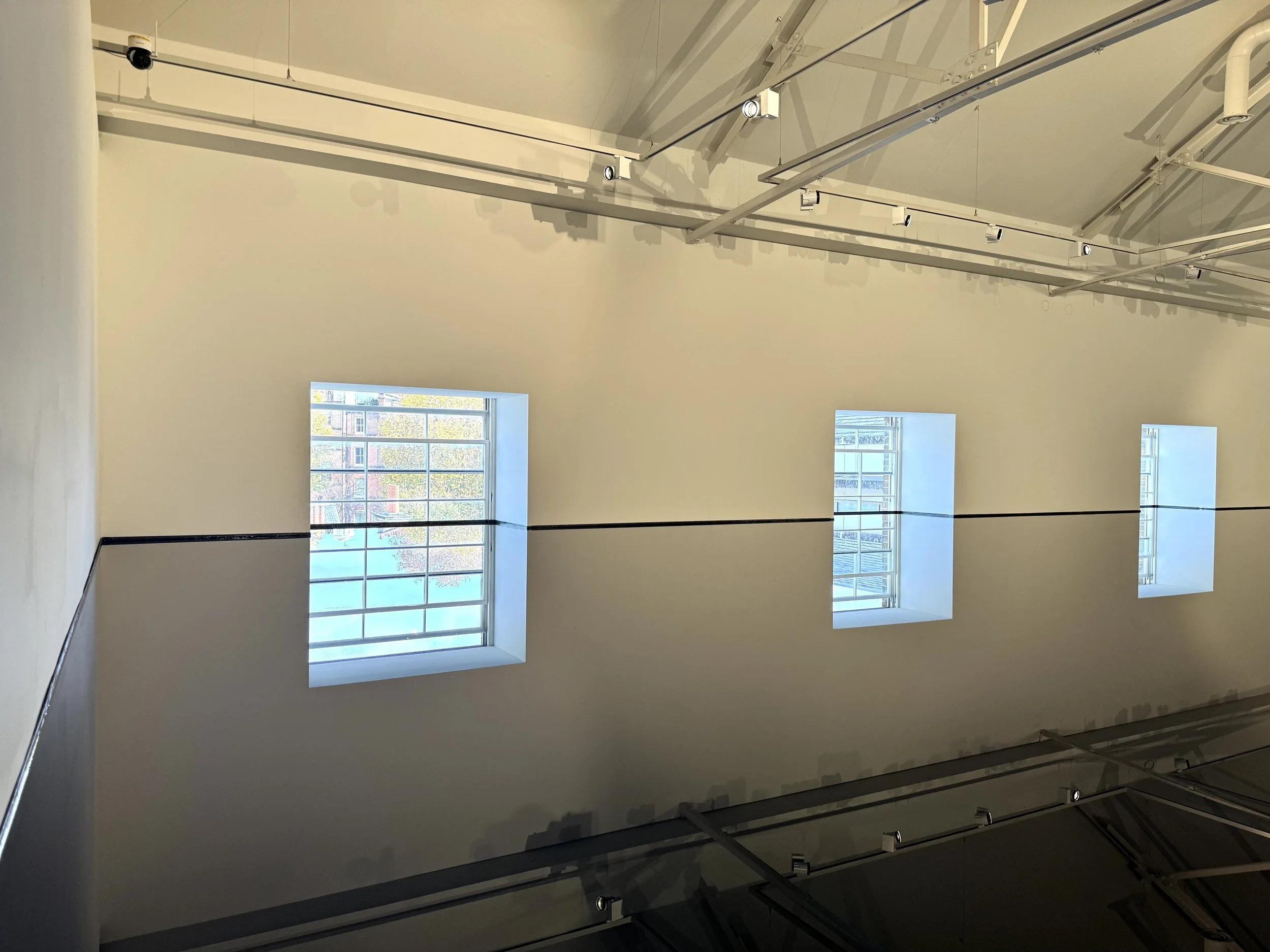
In the simplest terms, it’s a room half filled with oil.
The title refers to the specific grade of motor oil that Wilson pours, but only after all the flammable and carcinogenic elements have been removed, similar to how 0% beer is made by boiling off the alcohol. Normally, removing dangerous elements from liquids also removes all the fun, but this is an exception I’ll allow. And though Wilson’s sump oil is now technically safe to display, it’ll still be a pain to wash off if you’re dumb enough to dip a finger in. That impulse is very, very real because the work is a perfectly executed optical illusion.
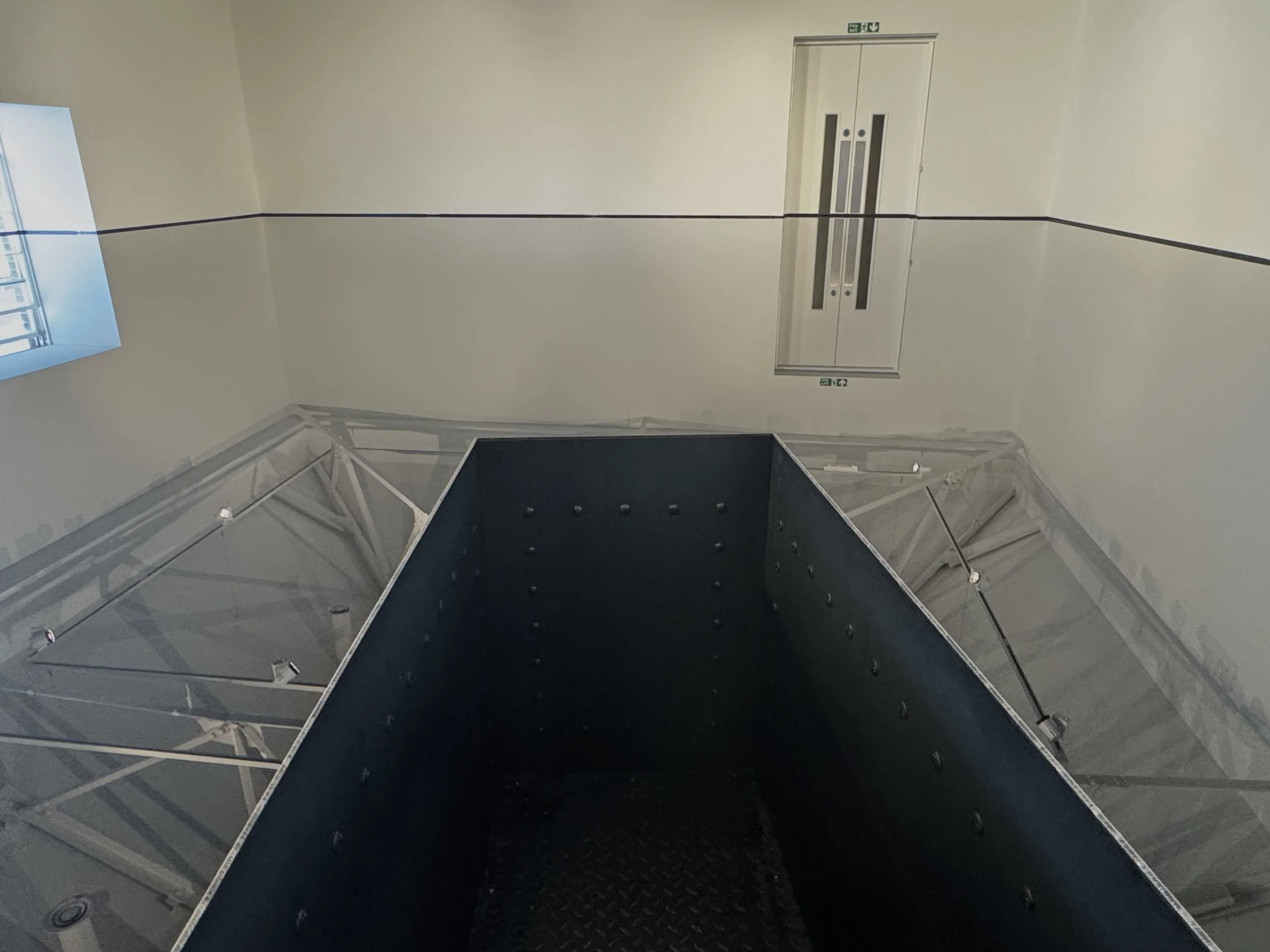
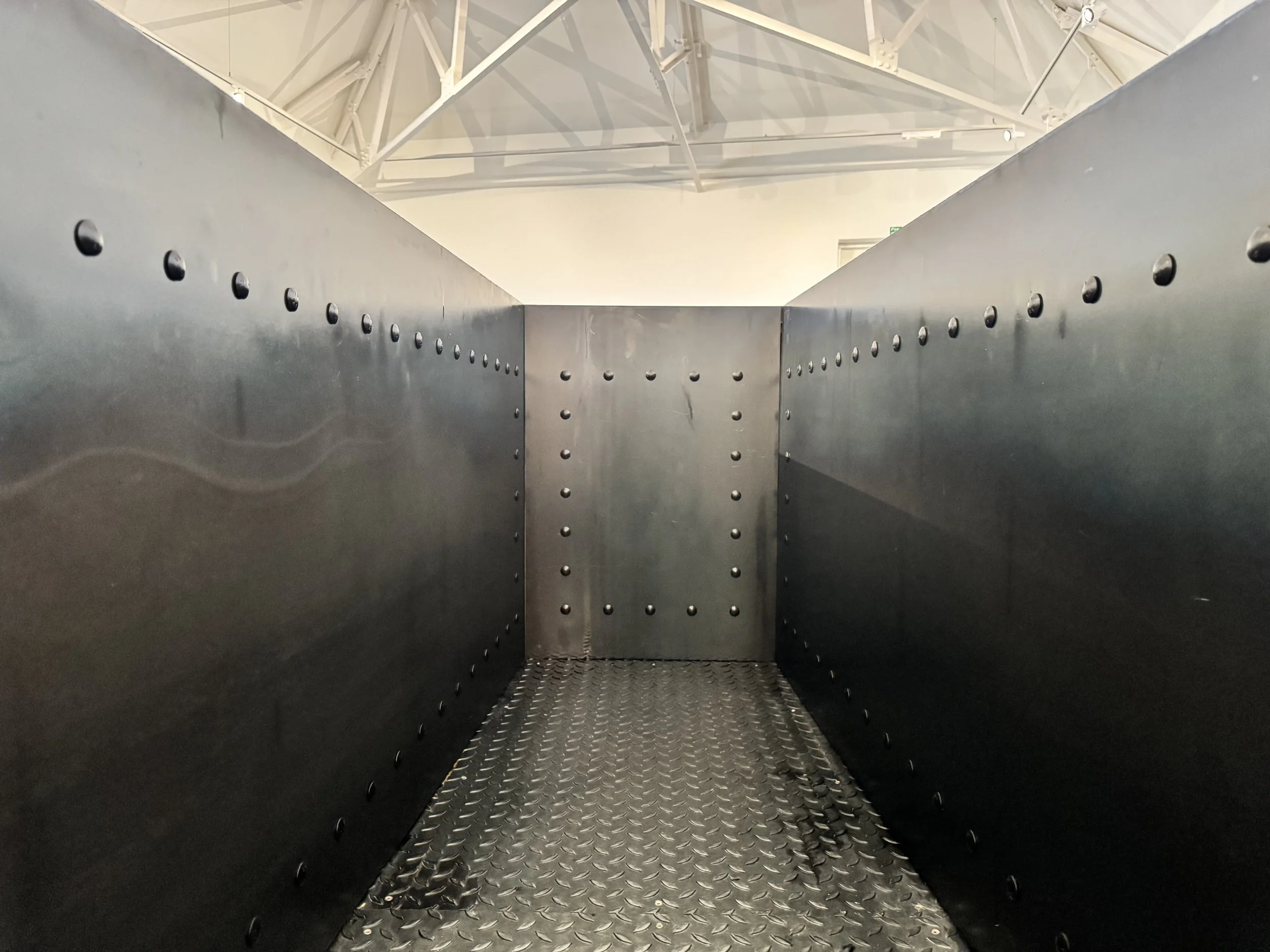
The smooth, highly reflective surface of the oil creates an uncanny black mirror view that your brain might struggle to parse. I’ve experienced this three times in as many locations and it still makes my jaw drop. Looking down you see what’s up. Bisected windows no longer have cills and doors don’t reach the floor because there is no more floor. Just a vast infinite room in which you might feel as if you are cautiously standing in a 1 star motel’s dirty infinity pool should you be brave enough to walk to the far end of the narrowing gangplank (1). I didn’t dip a finger, but I did lean down and slowly blow air across the top, causing just enough ripples to confirm it was indeed liquid.
Knowing the liquid is oil prompts obvious assumptions about meaning and politics. Is it political? How can it not be, though Saatchi’s wall text wisely avoids making any definitive claims about artist intent. Opting for a more neutral observation, they state it is a “meditation on consumption and environmental uncertainty” and that it prompts viewers “to consider the coexistence of material excess and ecological fragility in the reality we live in today”. And yeah, sure, you’d probably figure that out on your own even though the white walled environment in which it currently sits distinctly shifts your mindset towards the abstracted mirrored visuals. It’s hard to think about ecology when you’ve just walked into a room that appears to have been flipped upside down.
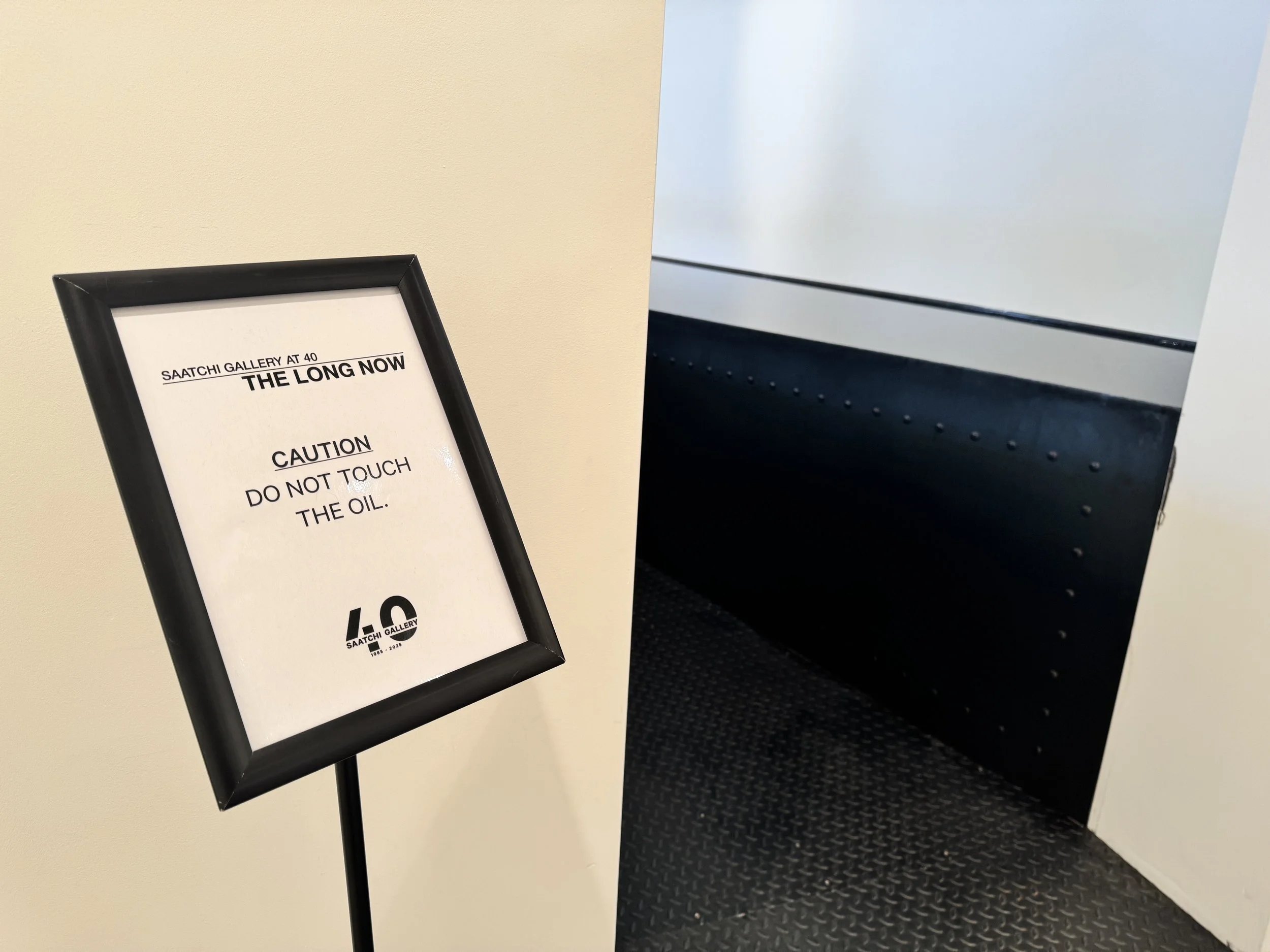
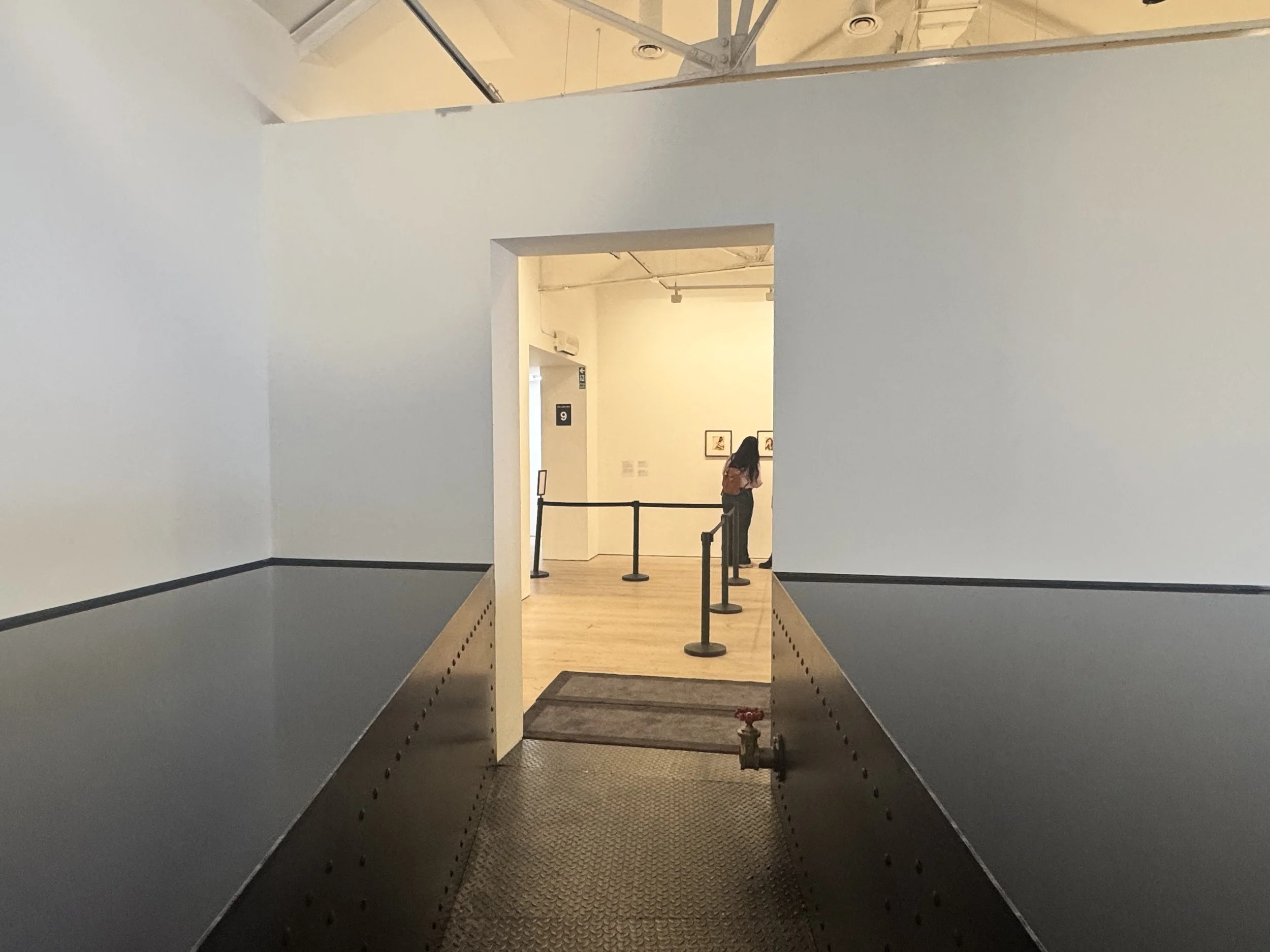
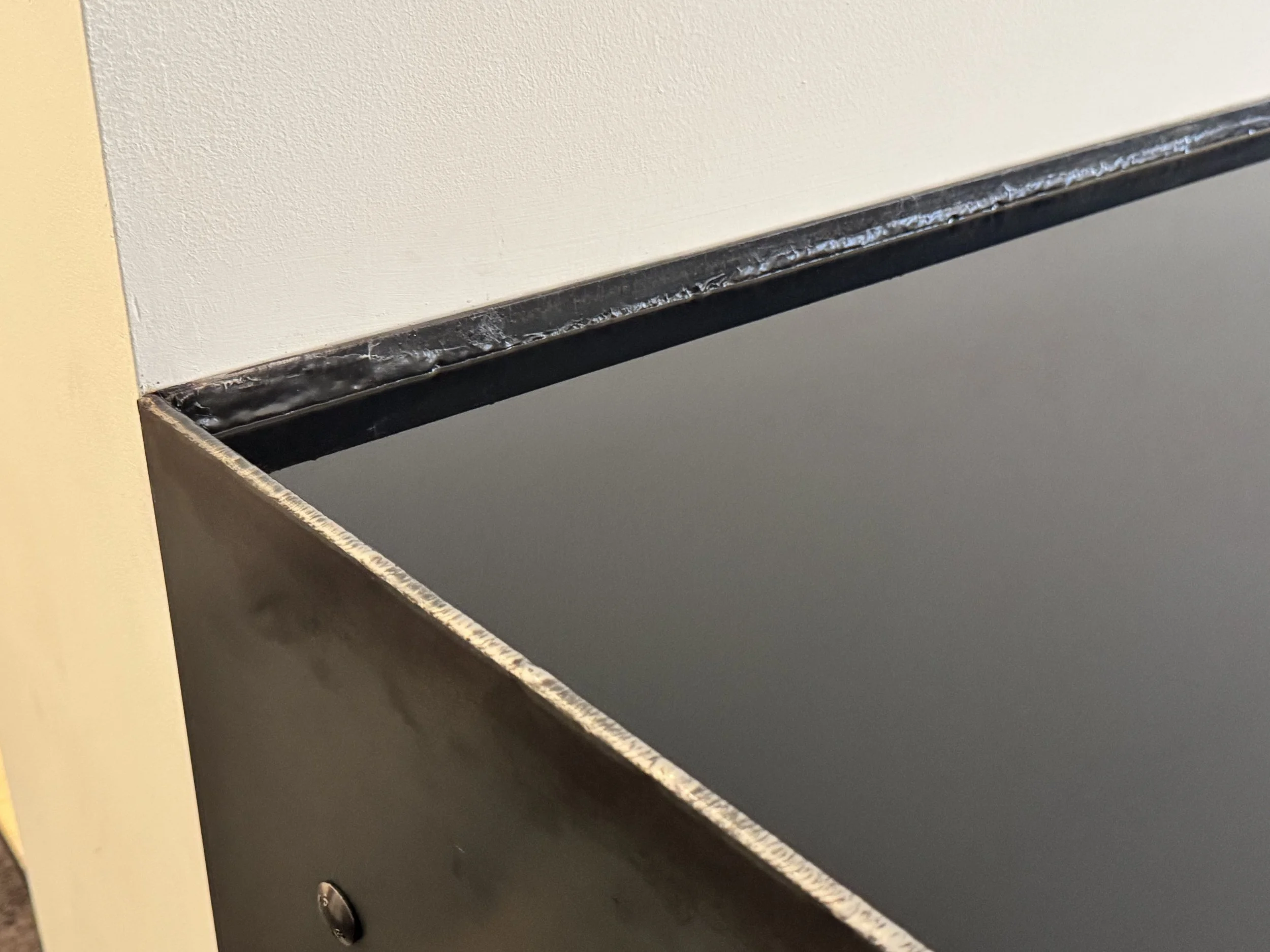
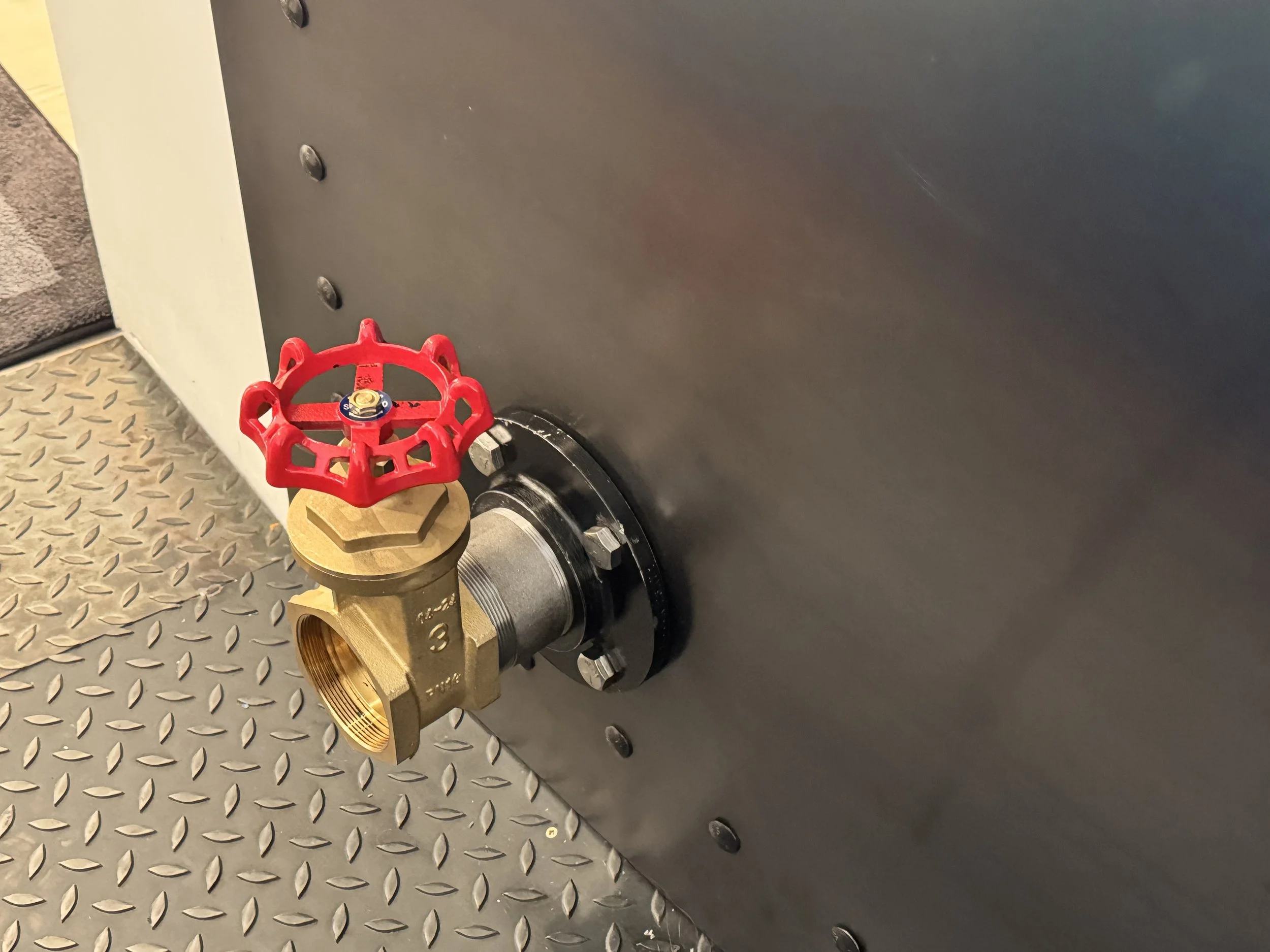
Wilson debuted 20:50 in 1987. Charles Saatchi promptly acquired it and then continuously displayed it at every one of his venues before selling it for a tidy profit in 2015 (2). It’s now returned home for the holidays and is currently on display in Saatchi Gallery’s 40th anniversary show. My personal favourite was the installation inside County Hall, where Saatchi Gallery was briefly located from 2003-2005. Oil and exquisite architectural details are two things I associate with power and wealth, and when I saw the viscous oil enveloping a Grade II listed wood panelled room I couldn’t help but laugh at the implied irony about drowning in greed. I also wondered if English Heritage had signed off on the install.
Which brings me to the other aspect of the illusion: the distinct impression that whatever room you are in has actually been filled up to waist height with oil. I don’t know how deep the oil actually is, but it’s certainly not one metre. Observant visitors might notice a few clues that indicate the whole thing is actually a shallow pool on a raised platform, but I already fear that conjecture has exposed too much. Then again, knowing how this magic trick is done hasn’t changed the impression that experiencing it in person seared into me. Some works of art are just so powerful that they eclipse every fact or anecdote about them. They are just so good, a concept so thoroughly realised, that they get elevated to a rare state of appreciation that every artist dreams of achieving with something they create.
That’s why I like it.
You can’t spell iconic without a little bit of oil.
Additional reading:
Richard Wilson explains 20:50 (YouTube)
This work can be seen in the exhibition The Long Now: Saatchi Gallery at 40, from 05 November 2025 - 01 March 2026. (Ticketed)
Previously, on Why I Like It:
Nov — Don’t (2024), Diana Zrnic
Oct — Untitled (Underpainting) (2018), Kerry James Marshall
Sep — Prayer for Steven Kupfer (2021), Celia Paul
Want more? Here’s a list of the first three dozen articles in this series.
Footnotes
Wilson has claimed the inspiration for the work came while sitting poolside on holiday.
The artist has retained a not-for-sale exhibition copy that enables it to be shown without the need for license or approval of the current owner of the work, Australian collector David Walsh, who displays it permanently at his Museum of Old and New Art (MONA) in Tasmania.
The creative synonyms for oil in the blurb for this article are from the lyrics to the American TV sitcom: Beverly Hillbillies. Here’s the opening song / credits. (YouTube)