
Art on the Underground (2000 - present)
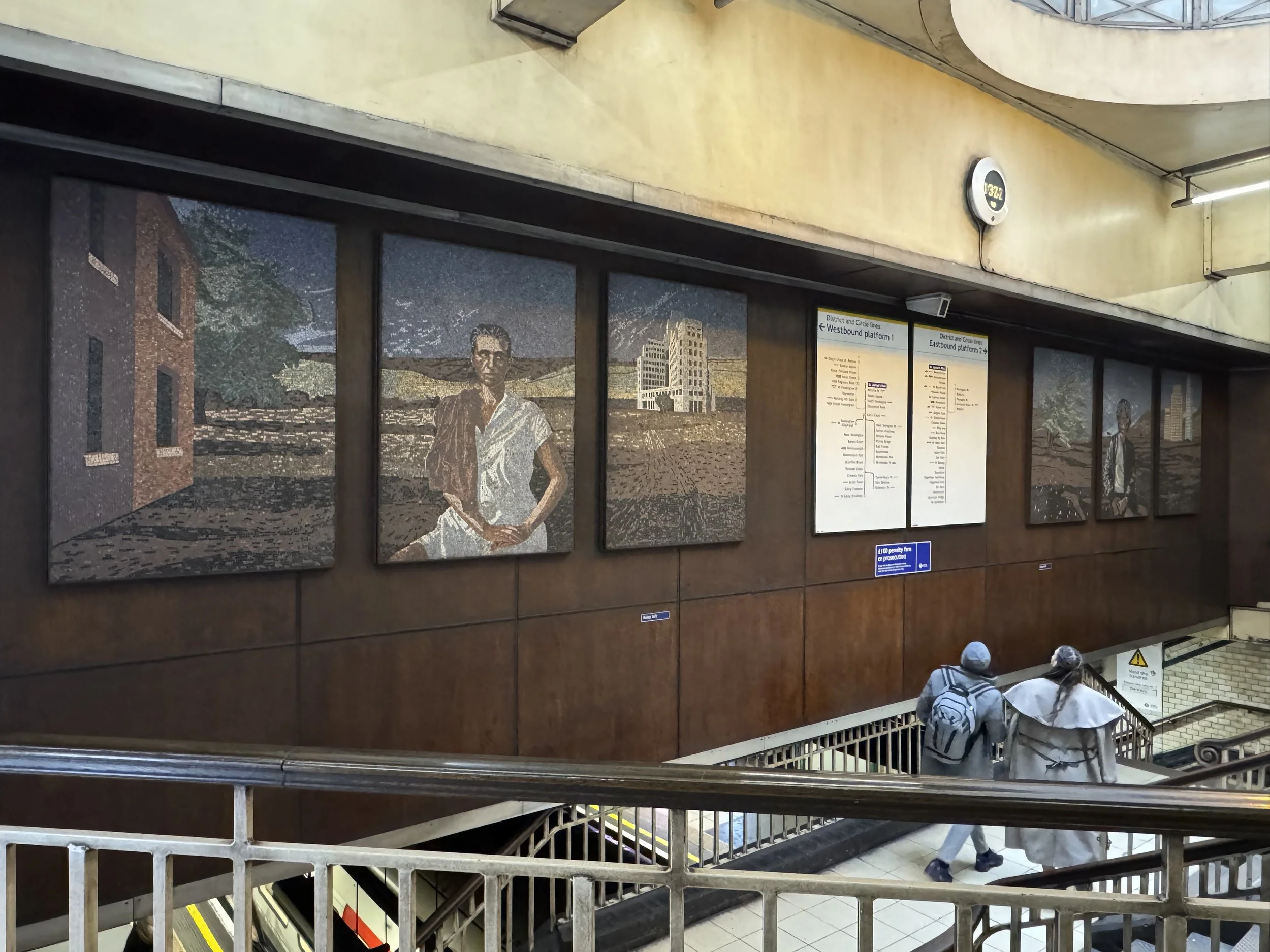
Various Artists
Titles vary (Year varies)
Materials vary
Dimensions vary
Locations vary
It’s not the longest (Shanghai) nor does it have the most stations (New York City). It’s not the deepest (North Korea) or the prettiest (Moscow). It doesn’t even have UNESCO status (Budapest) but the London Underground, opened in 1863, is the oldest Metro system in the world (1). And if the lockdown sourdough craze taught us anything, it’s that when things get old they get cultured.
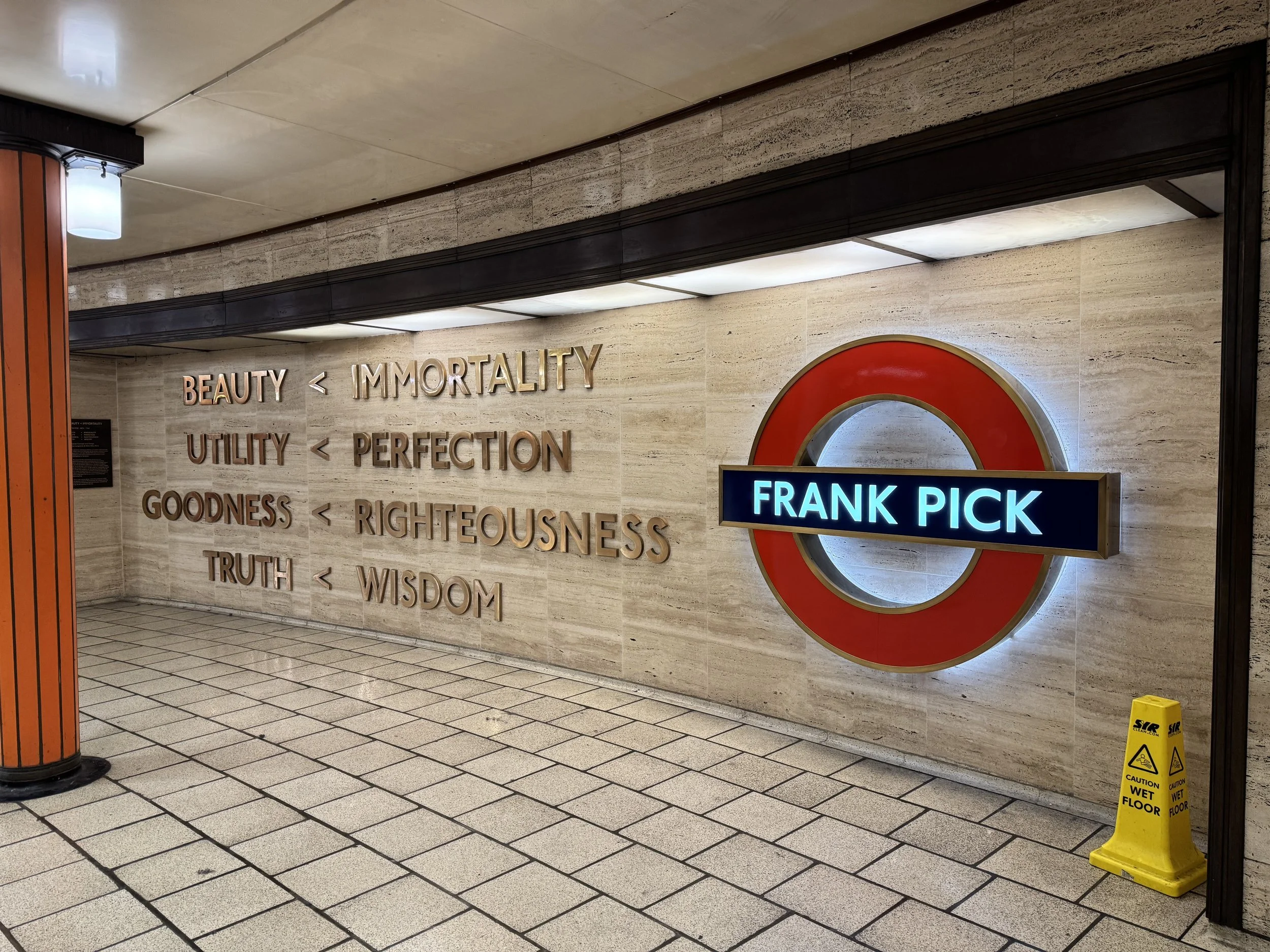
Fittingly, an initiative named Art on the Underground (originally titled Platform for Art) was established at the turn of the millennium as a way to maintain “art as a central element of Transport for London’s identity and engage passengers and staff in a sense of shared ownership.” The primary focus is to incorporate contemporary artworks into the fabric of the stations. That means the platforms, paper maps and even the insides of the carriages are all fair game for temporary and permanent artworks to provide a brief moment of culture for the daily ridership of over 3 million.
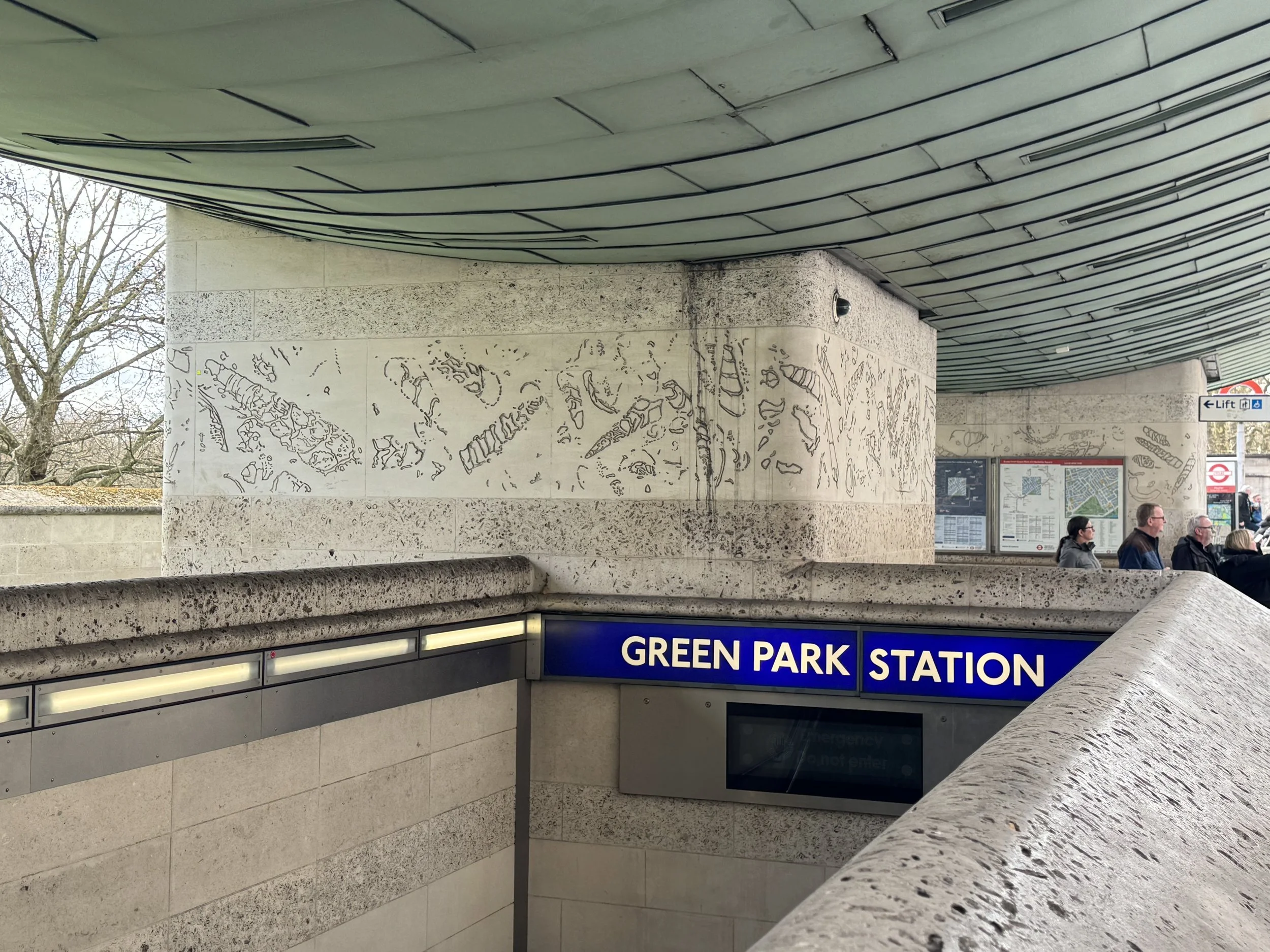
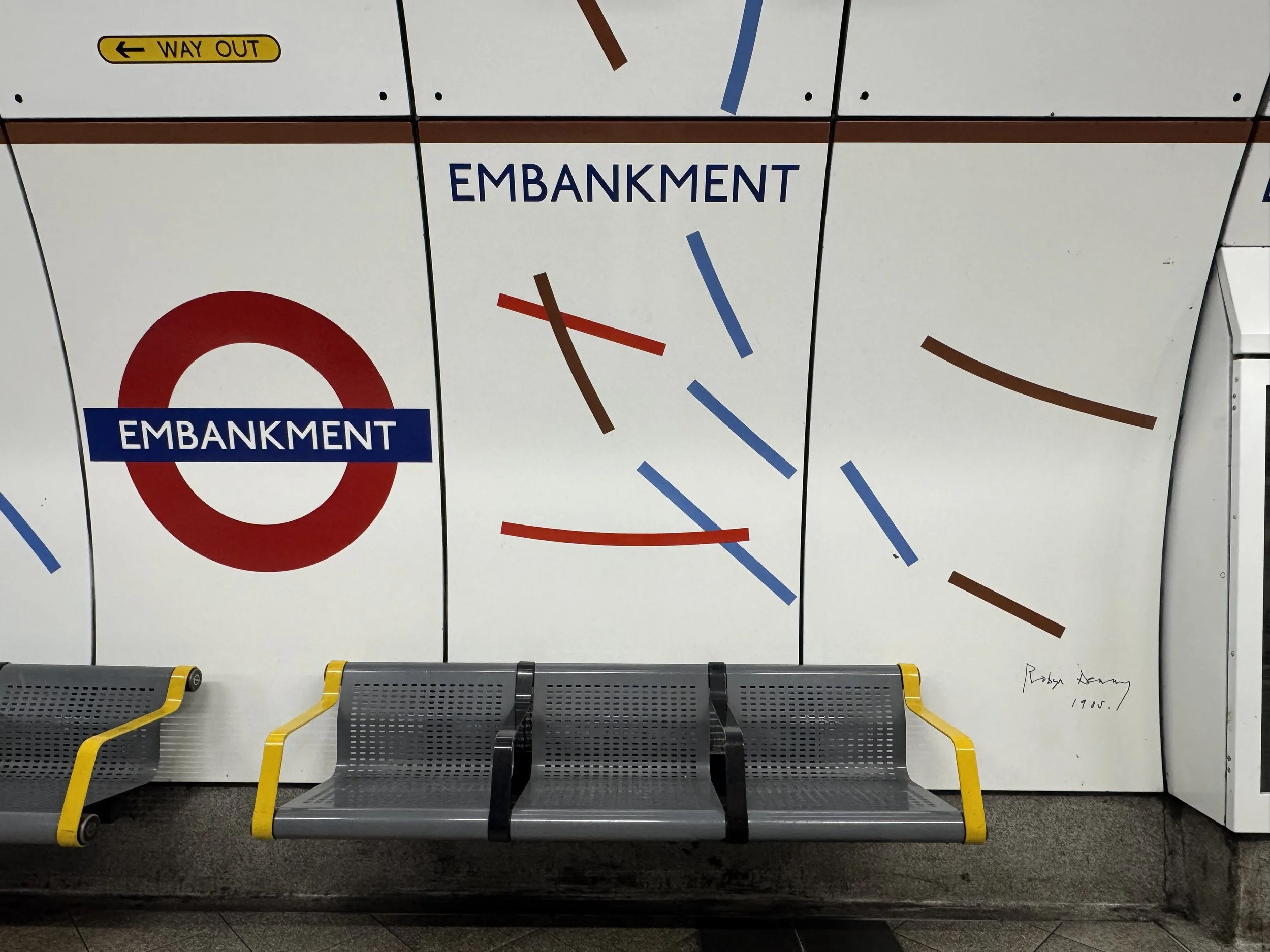
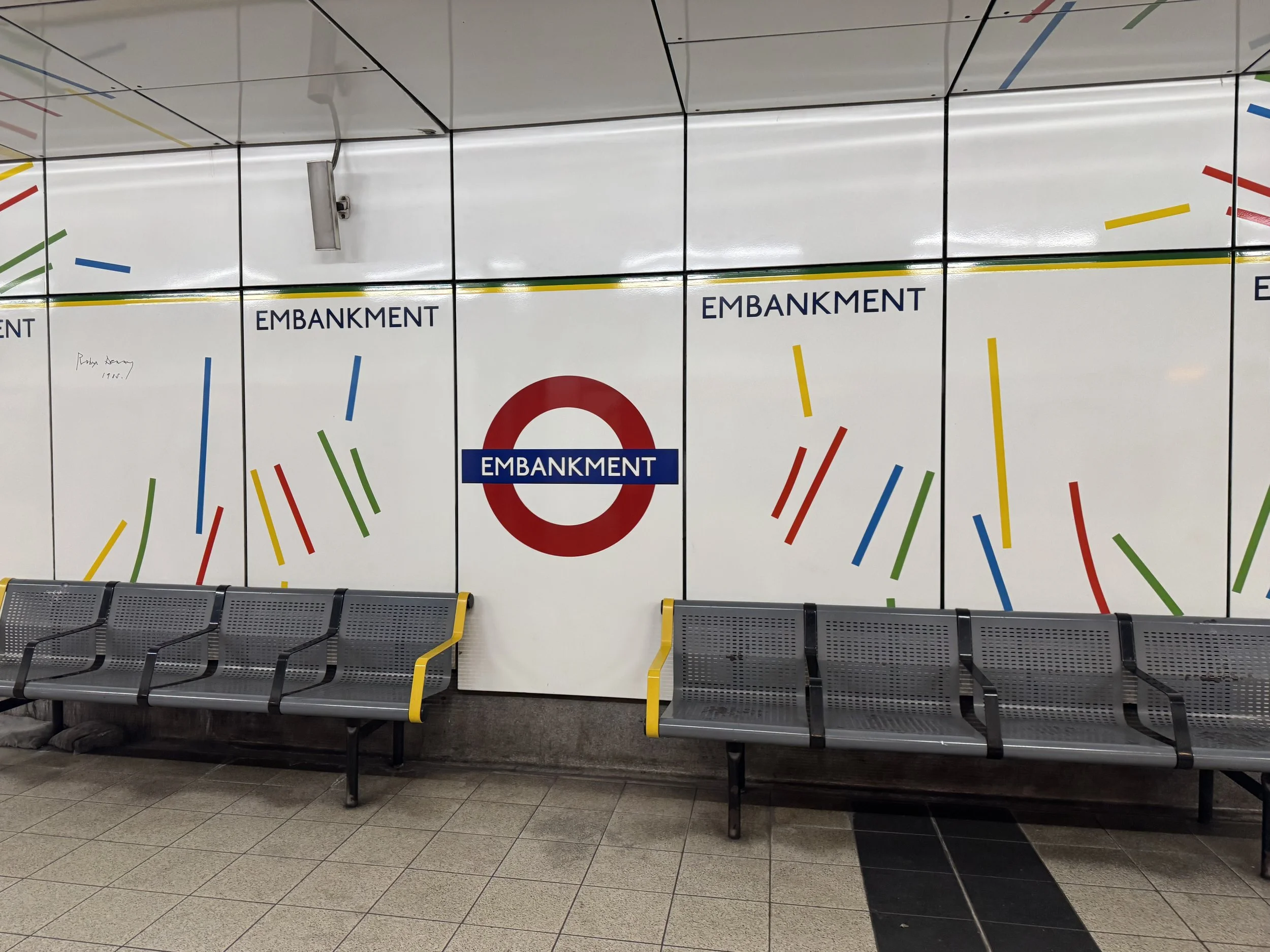
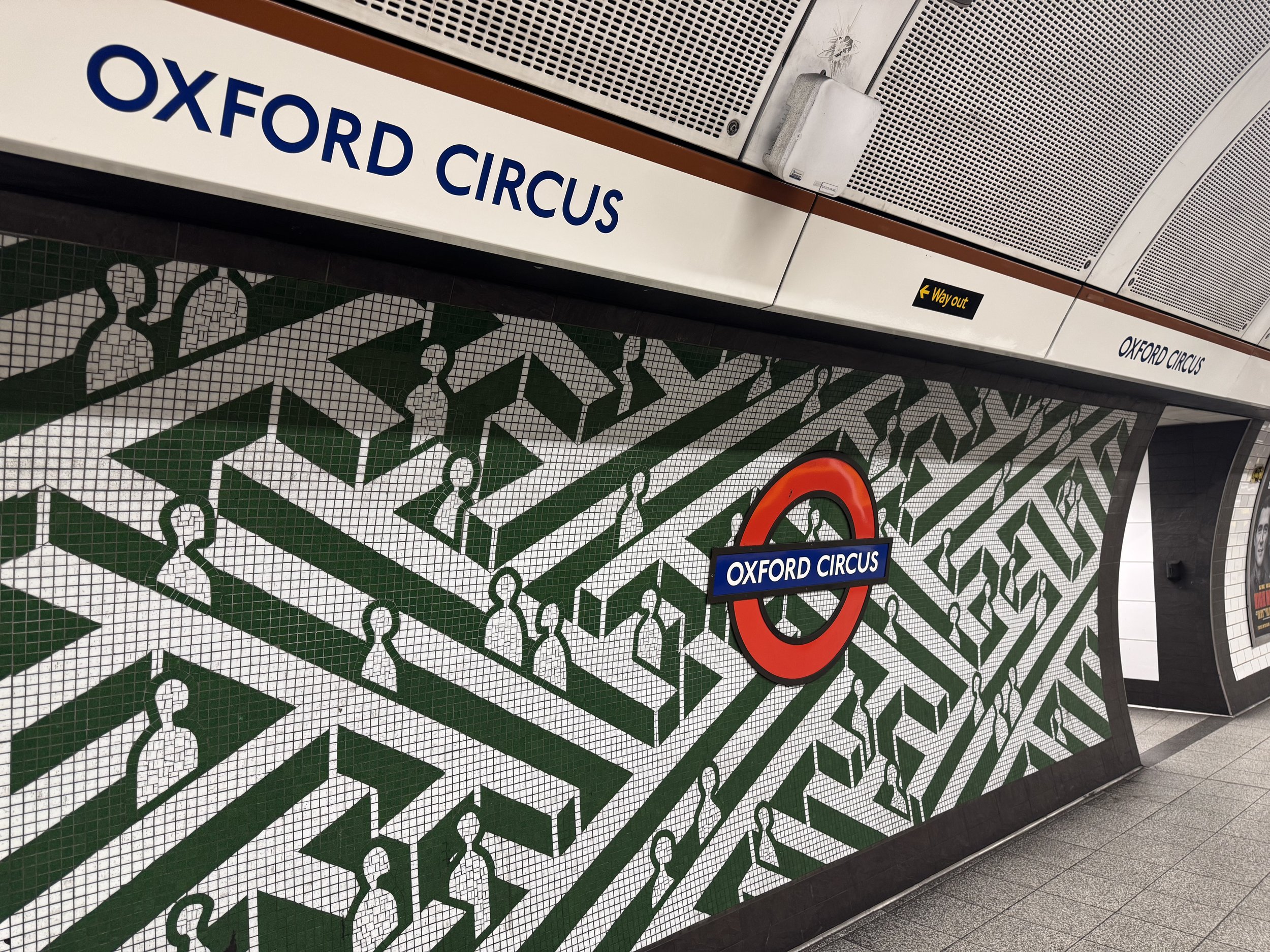
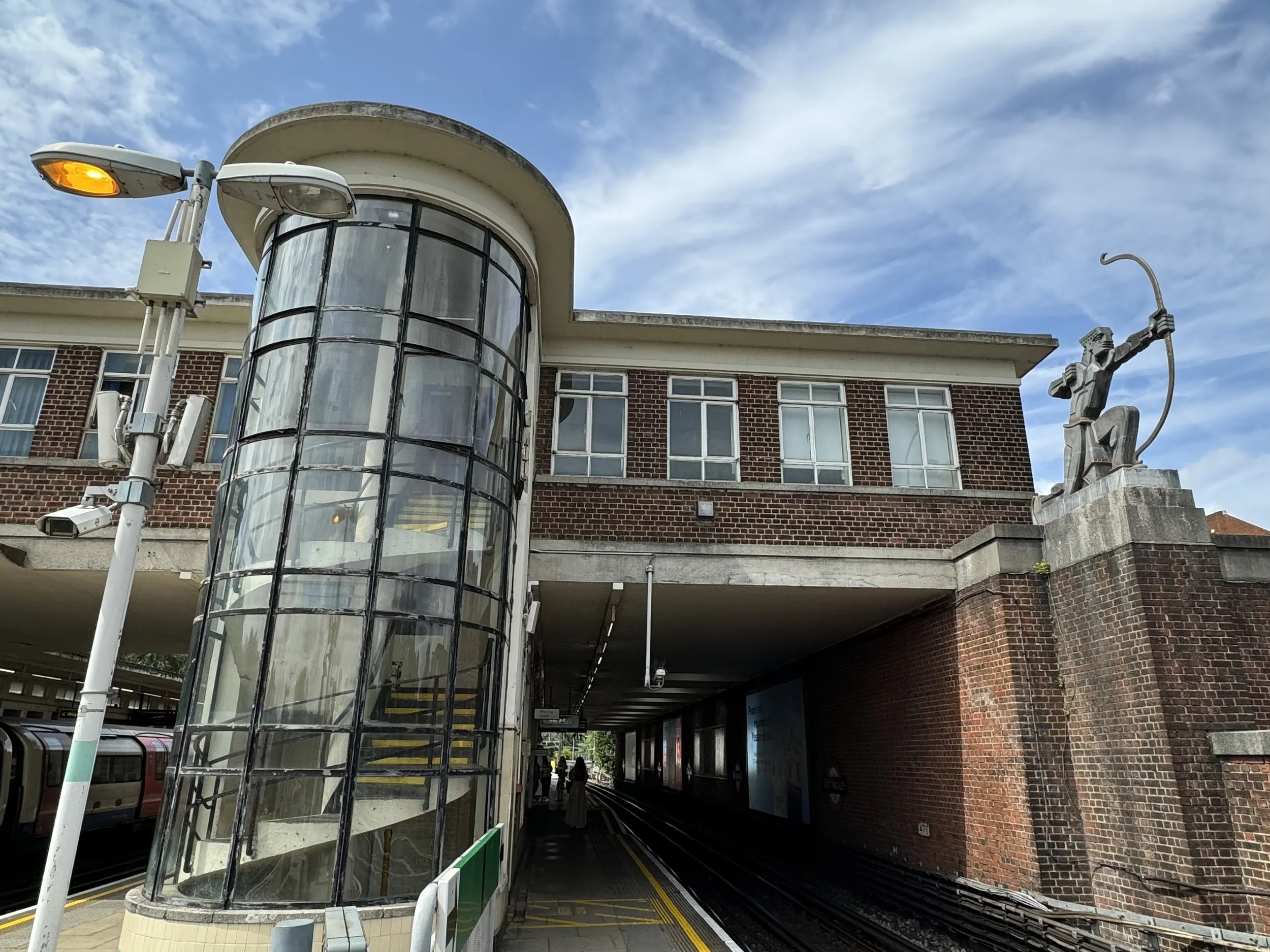
Often that starts outside the stations. You don’t even need to tap in to see John Maine’s fossilised ‘Sea Strata’ outside Green Park or Eric Aumonier’s sculpture ‘The Archer’, standing proud outside East Finchley station since 1940 (2). Once you make it down to the platforms you might notice Chantal Joffe’s collaged cut-out portraits of East Londoners in Whitechapel Station; Robyn Denny’s enamel panels that span the length of, and are colour coded to match, the various lines that traverse the Embankment; or the remnants of Nicholas Munro’s maze-like mosaics in Oxford Circus Station, very little of which remain.
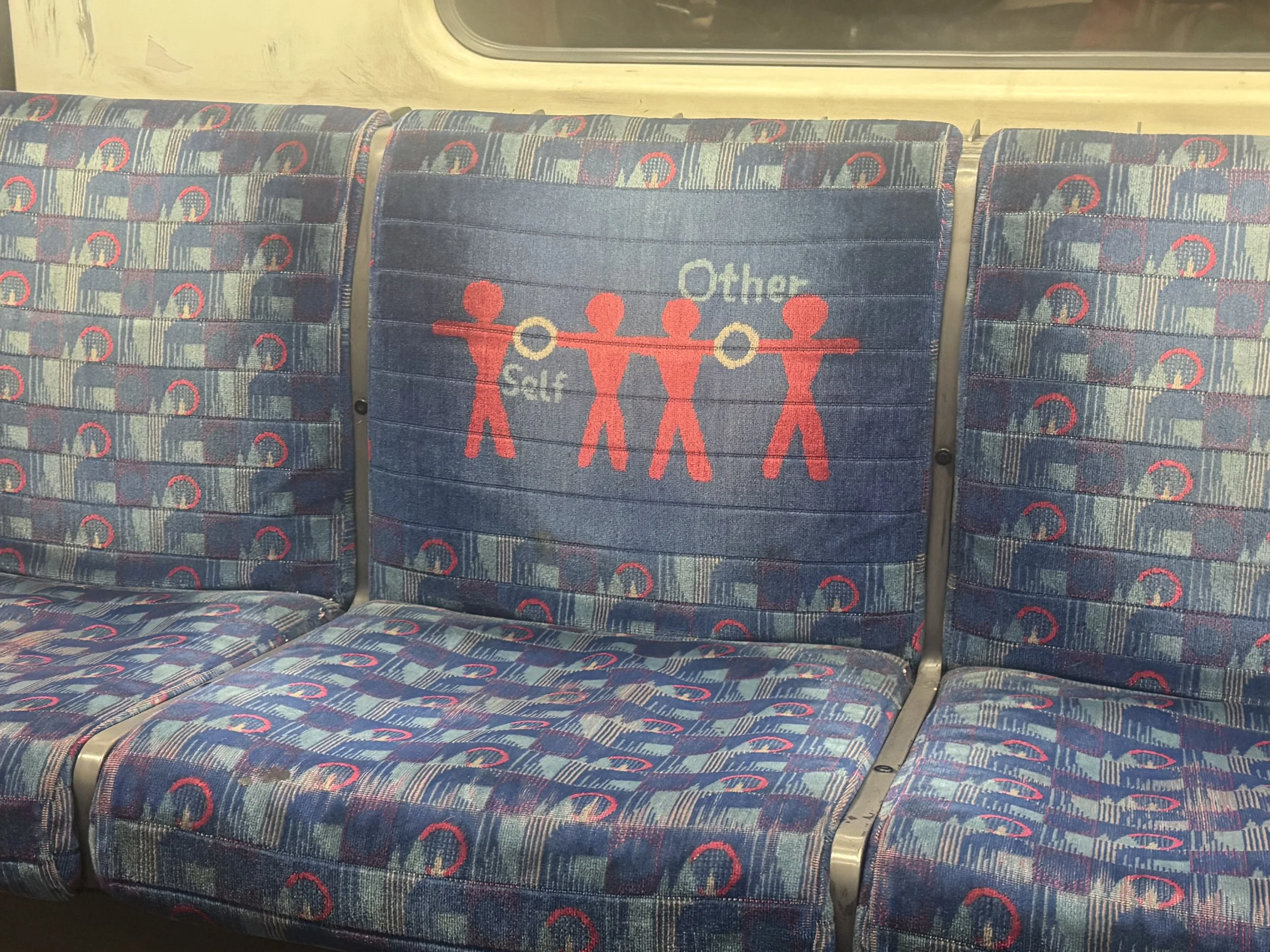
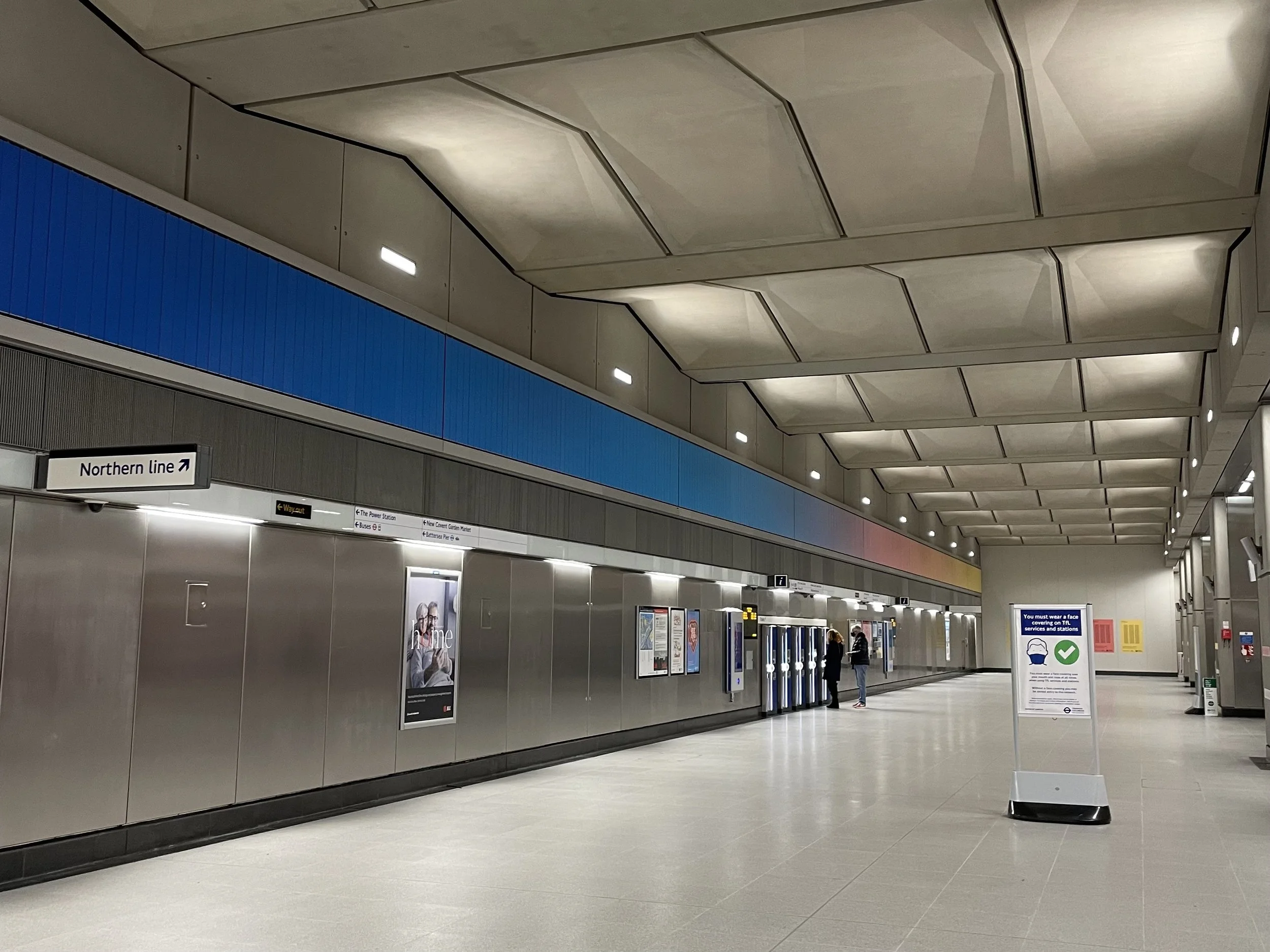
Some are quite subtle. It took fifteen years before I finally spotted one of the custom Central Line seat cushions from Michael Landy, and I suffered commuted on that line twice a day, five days a week for almost four years! Other installations are massive. New commissions such as Alexandre da Cunha’s ‘Sunset, Sunrise, Sunset’ at Battersea Power Station (Station) and Phoebe Boswell’s installations at Bethnal Green and Notting Hill Gate stations, which run the length of the escalators, are incredibly large and expansive pieces. Experiencing these huge moments helps you understand why Art on the Underground is curated and programmed approximately two years in advance. Speaking as a selfish consumer of public art, however, I want more. Much more!
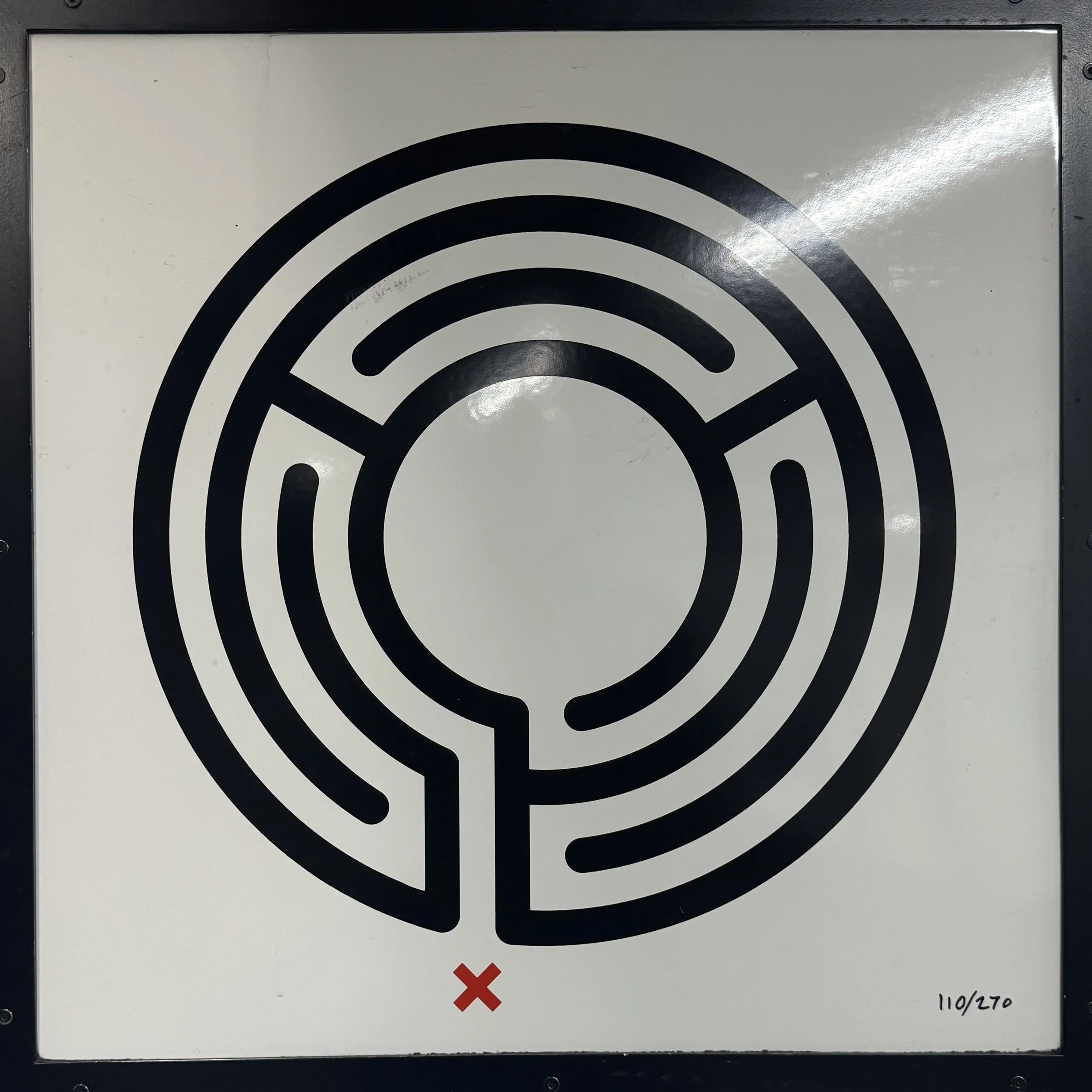
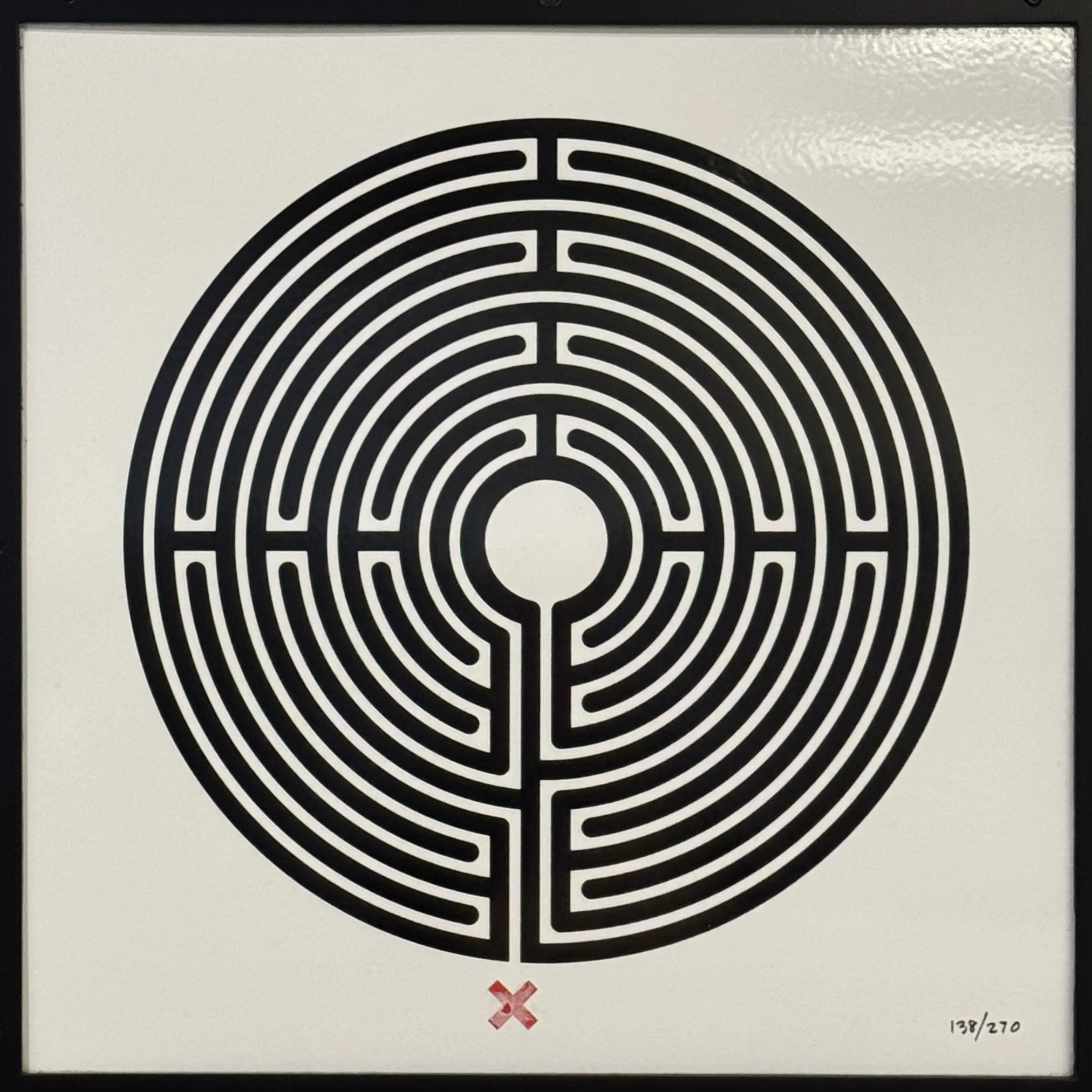
My main gripe with the programme is that it simply doesn’t cover enough of the network. Which might be why in 2013 Mark Wallinger was commissioned to create a unique ‘Labyrinth’ for each of the 270 (now 272) stations. It’s an easy way to ensure that no station feels left out, and a clever way to honour that rare niche where the obsessive compassions of art collectors and trainspotters overlap. Except after you’ve seen half a dozen the charm kinda wears off. Personally, I wish Wallinger had created actual mazes, instead of beautifully elaborate one-way routes, that commuters could play by tracing their fingers along the posters.
Mark Wallinger’s Labyrinth
Here’s seven samples from the series. Now you go find the other 265! Or visit this site that catalogues all 270 of the original works.
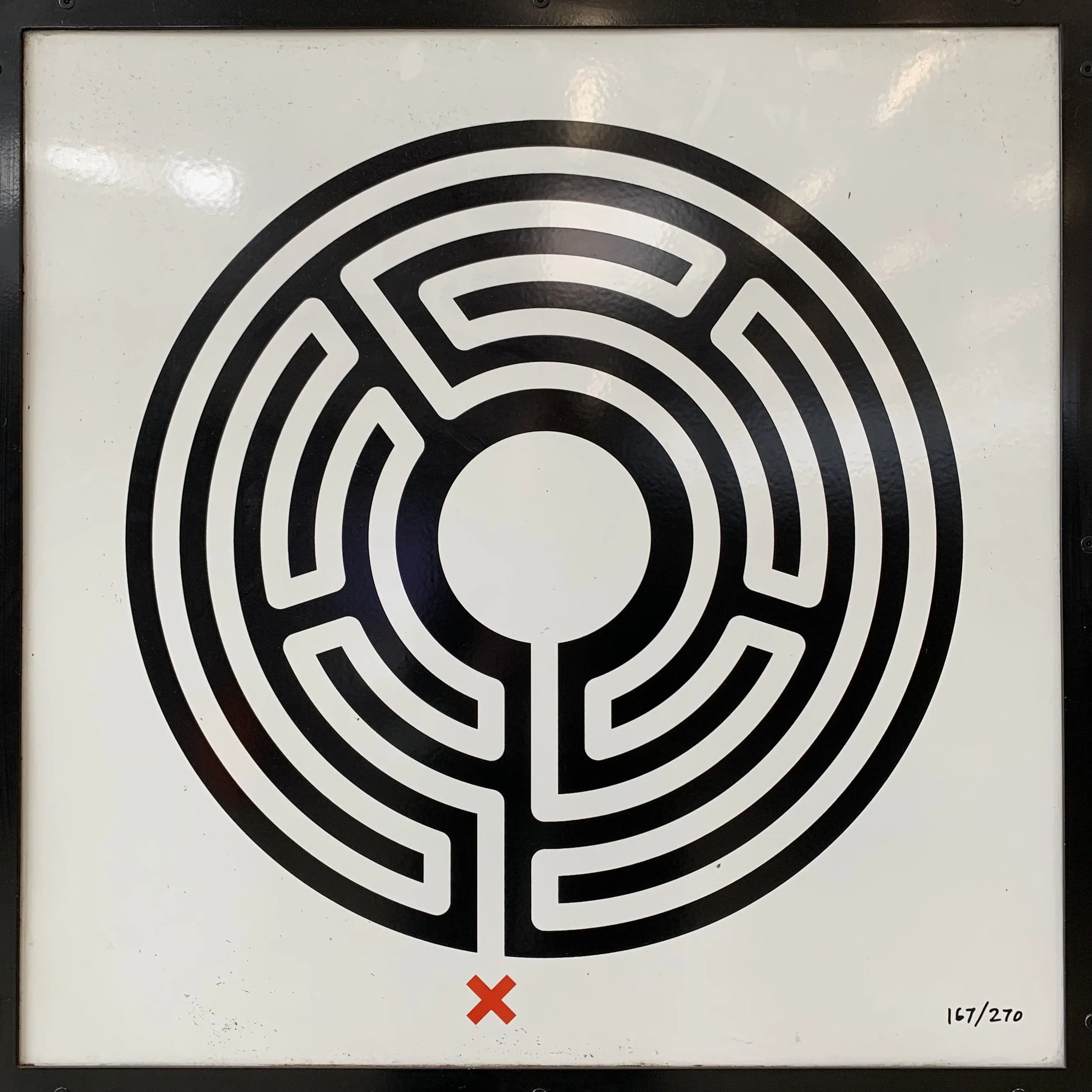
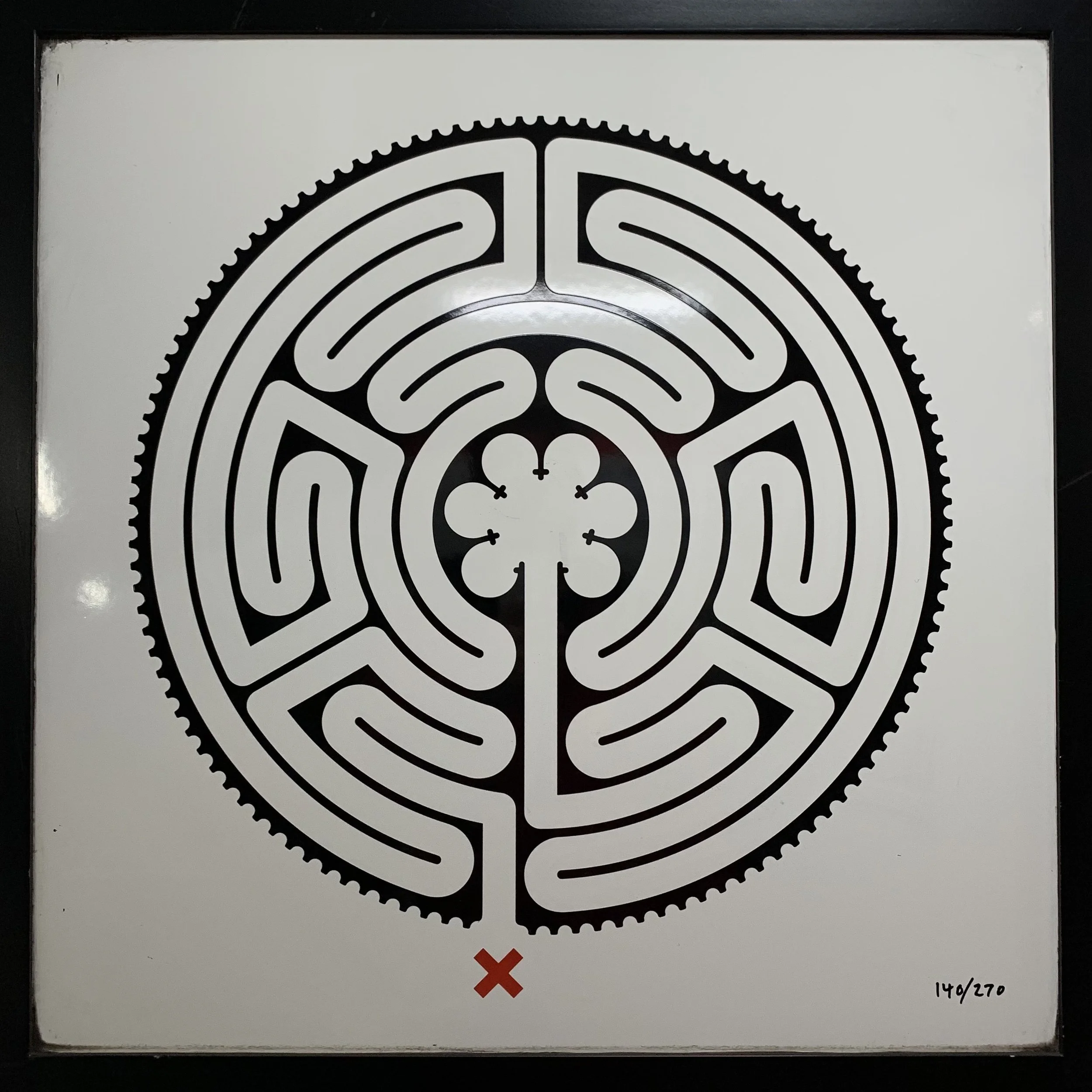
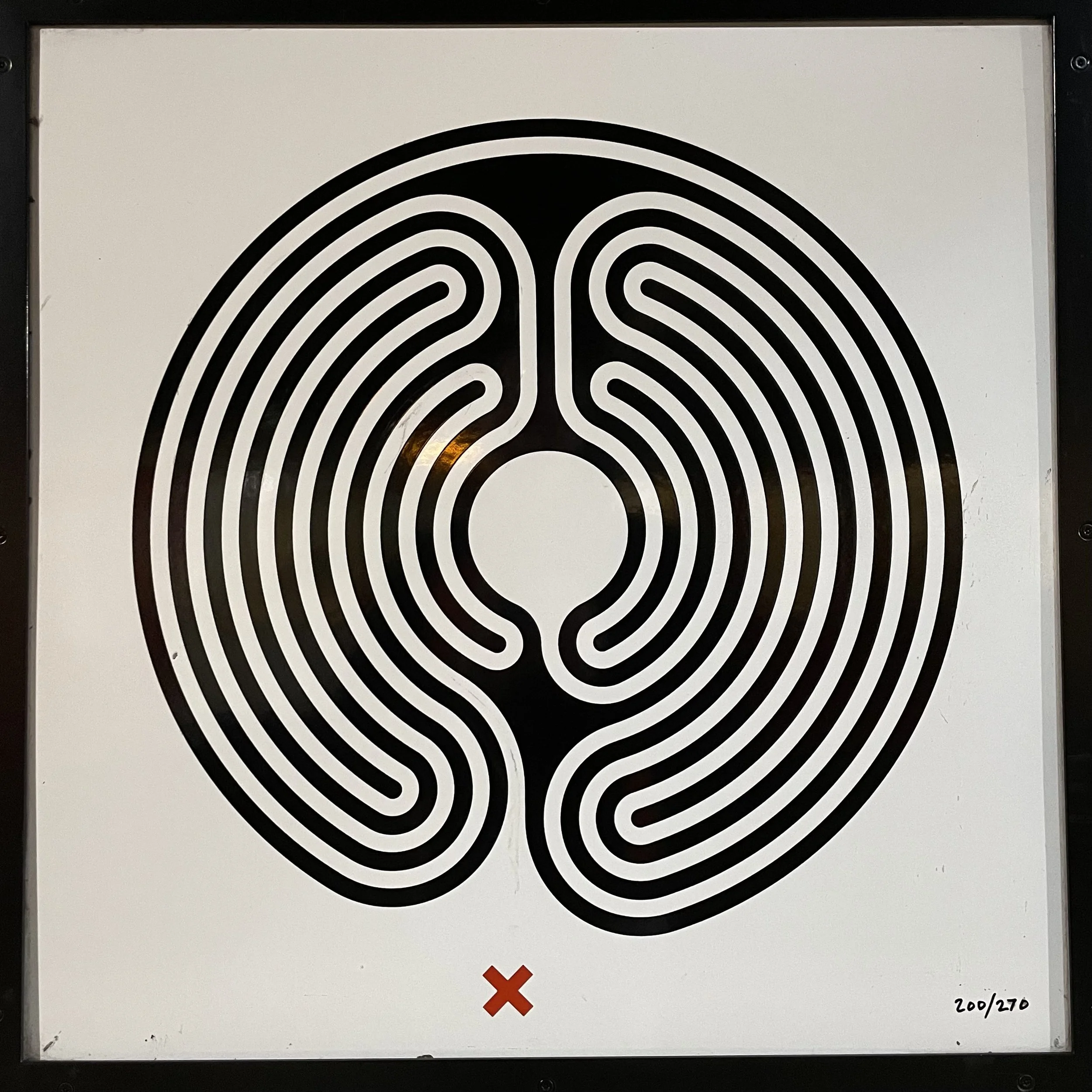
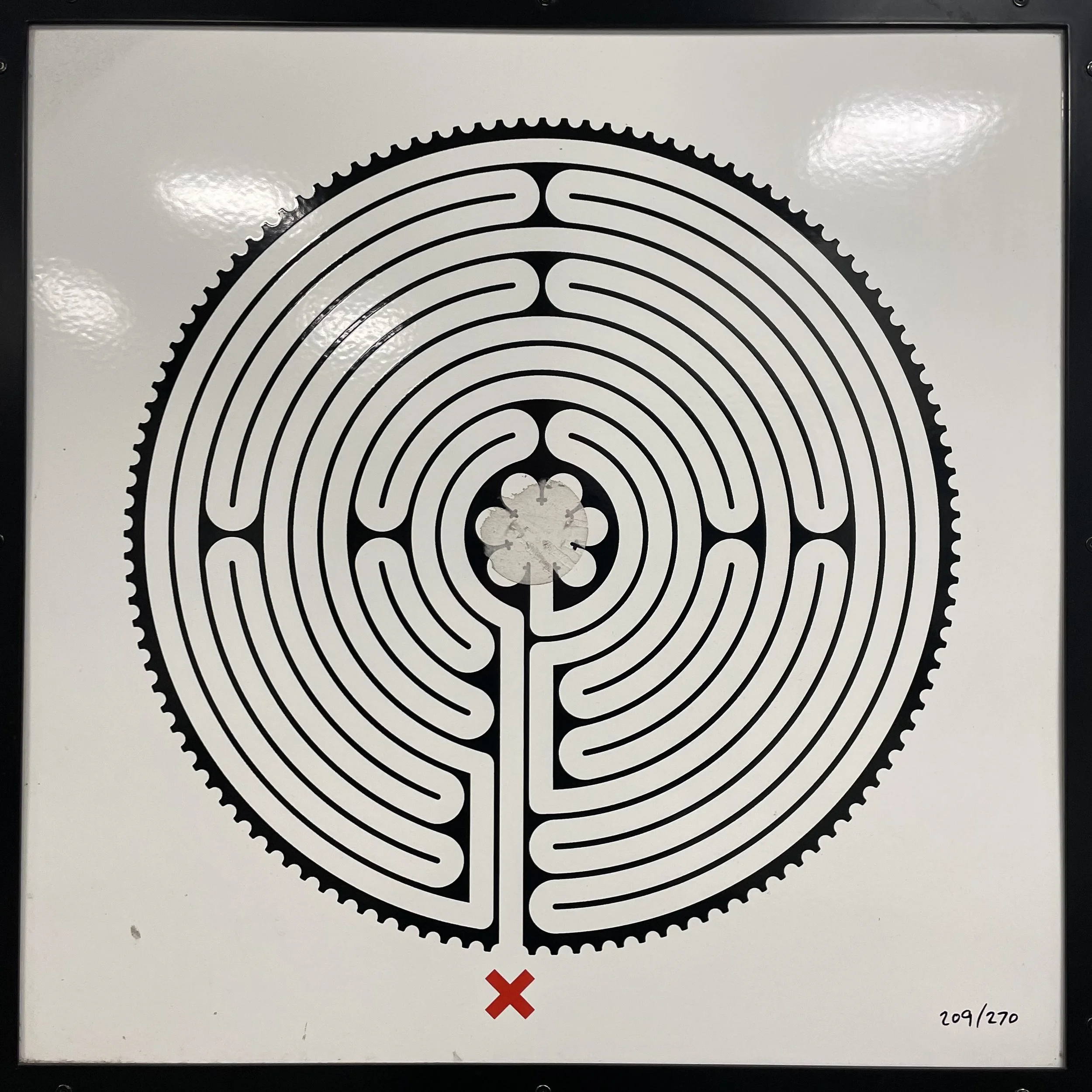
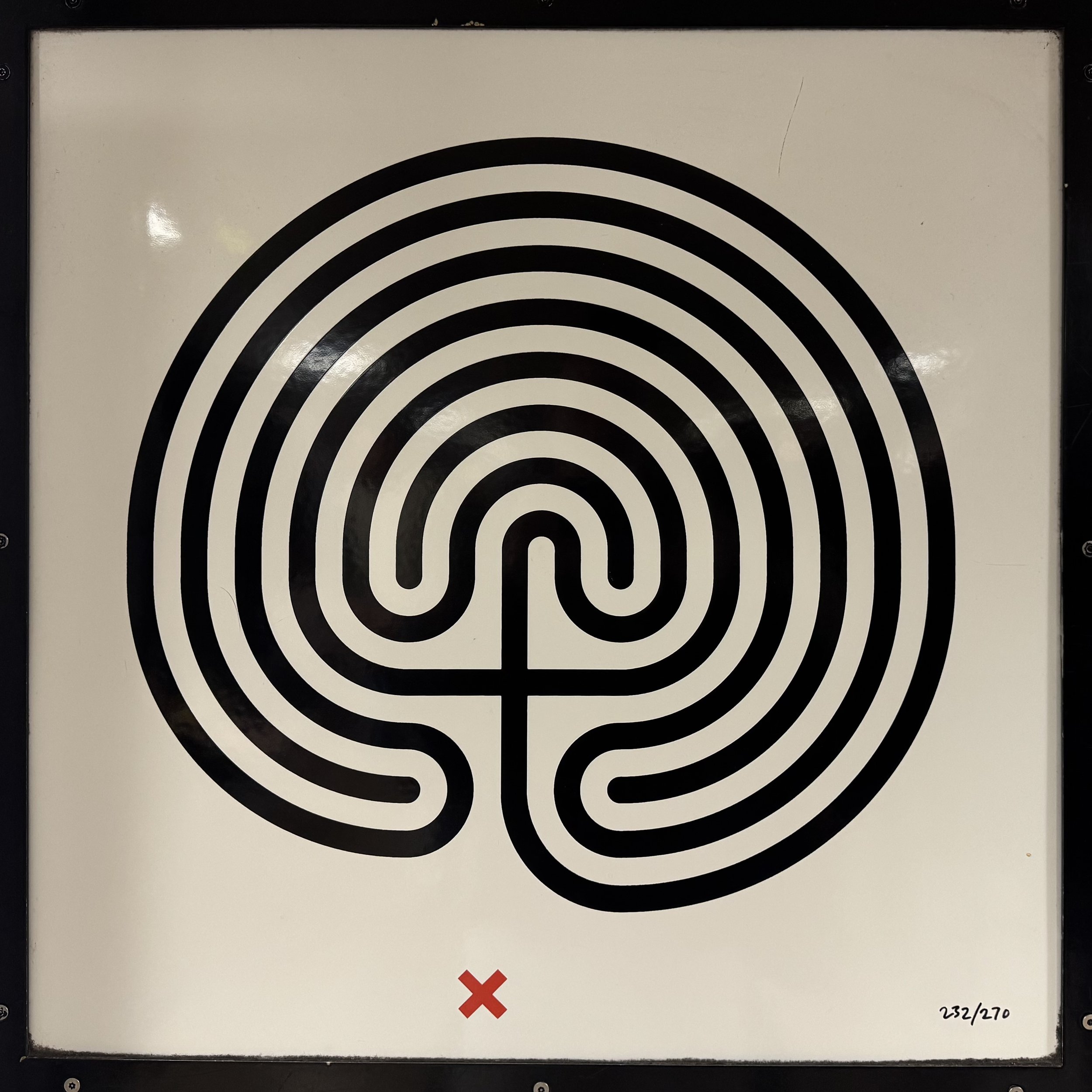
I’d really love to see new permanent placements introduced annually, with the aspiration of eventually providing all 272 stations with something specific to their local area. Maybe that will happen and I just need to be patient. The Underground was operational for 137 years before Art on the Underground came along. It might just take another century to finish decorating. Especially since most of the artworks are intended to be permanent and all of them are highly visible to a huge range of cultures and sensibilities. Creating public art that is both widely inspiring and yet as inoffensive as possible, without being bland or generic, is no easy challenge.
Then there’s the question of where to begin? Do you start with the outer borough stations, where commuters have longer waits and thus more time to appreciate the art? That approach also creates a compelling excuse for inner city dwellers to venture out of their home/comfort Zone and seek out surprises along, and at the end of, each line. Or should the installs slowly progress outward from the centre, starting with Zone 1 where the largest population of workers and tourists will get the most benefit?
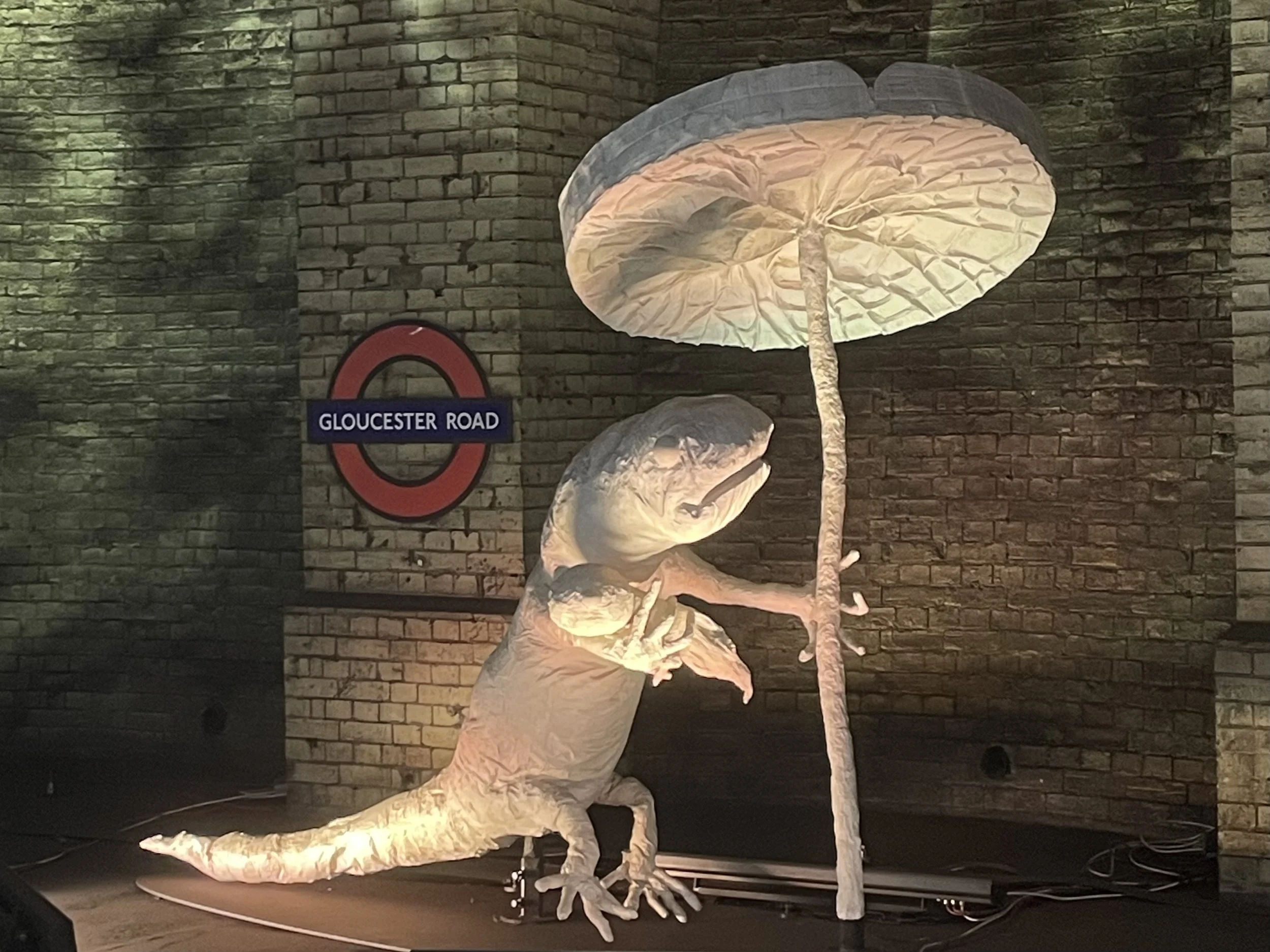
While you wait for that debate to be sorted out you can always go visit the flagship site of the programme. Roughly every two years a new installation spans the 62-metre length of a decommissioned platform at Gloucester Road station. It’s a location where artists have often created ambitious and impressive showcases of their work, but it can be a frustrating experience since trains roll in and block your view every 2-3 minutes.
Given the rampant cost cutting to so many of London’s public services you might question why over half a million pounds is spent each year on this programme (3). Especially once you factor in that most commuters barely have time to even read the crappy ads, much less stop and admire art. Statistics claim most people in museums spend less than 30 seconds looking at any one thing, but anyone that’s ever been crammed into a rush hour Central Line ride in August knows that 30 seconds feels like an eternity. Trust me, commuters need art to brighten up their day.
That’s why I like it.
Art takes your imagination further than the Tube can.
Additional reading:
Art on the Underground - official website
@artontheunderground - official Instagram account
Related post: Roundels Project by ArtyFace (2022)
Previously, on Why I Like It:
Mar — Everyone I Have Ever Slept With (1995), Tracey Emin
Feb — Local Village Customs (2021), Thomas Bils
Jan — Patchwork of the Century (1951), Lilian Dring
Want more? Here’s a list of the first three dozen articles in this series.
Footnotes
Worldwide Metro statistics found at this site. Except Moscow. That’s just my opinion.
The programme incorporates and includes many of the artworks that were made and installed before the Art on the Underground was formalised in 2000.
Figures from 2016-2018 budgets per an FOI request.